JOB DONE
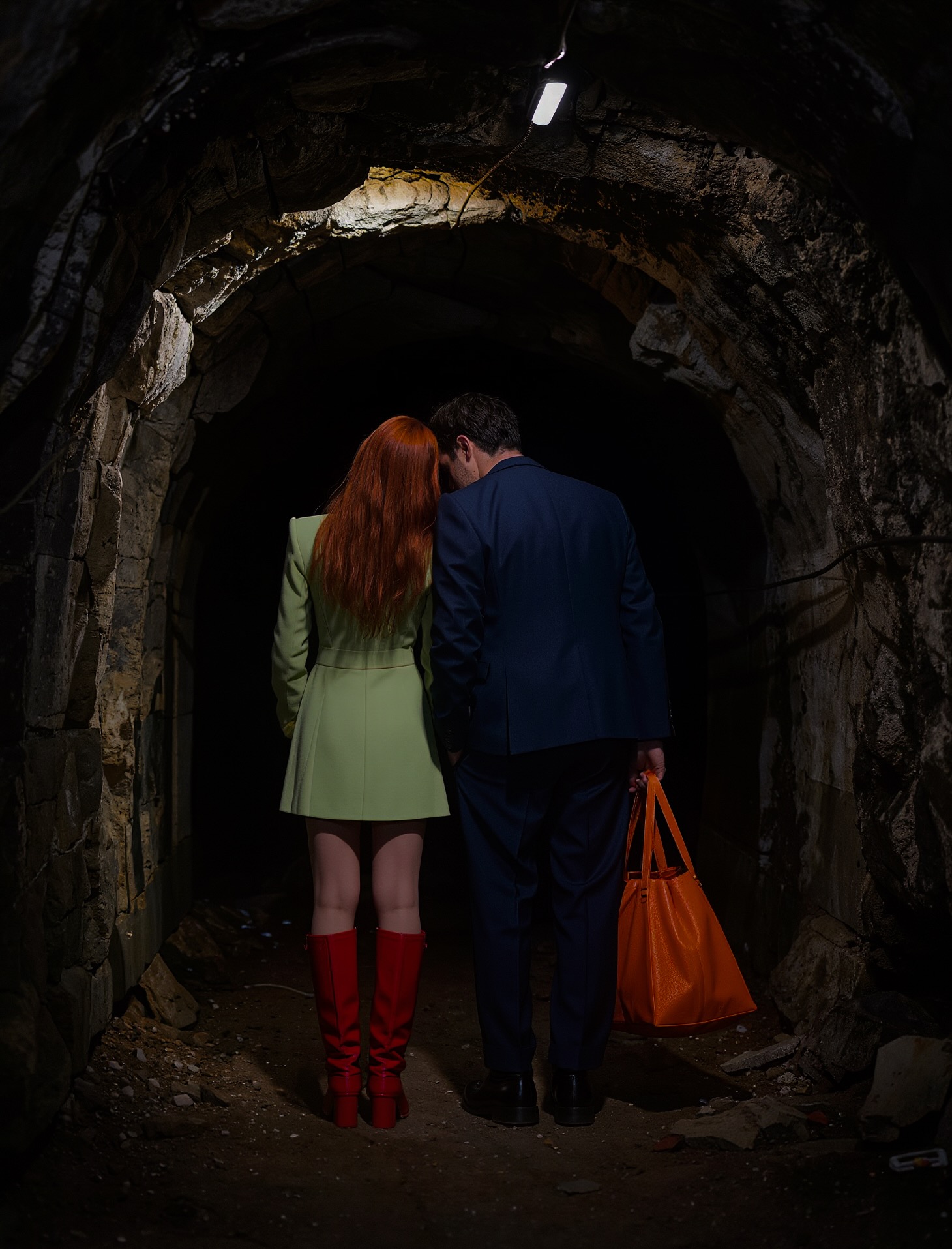
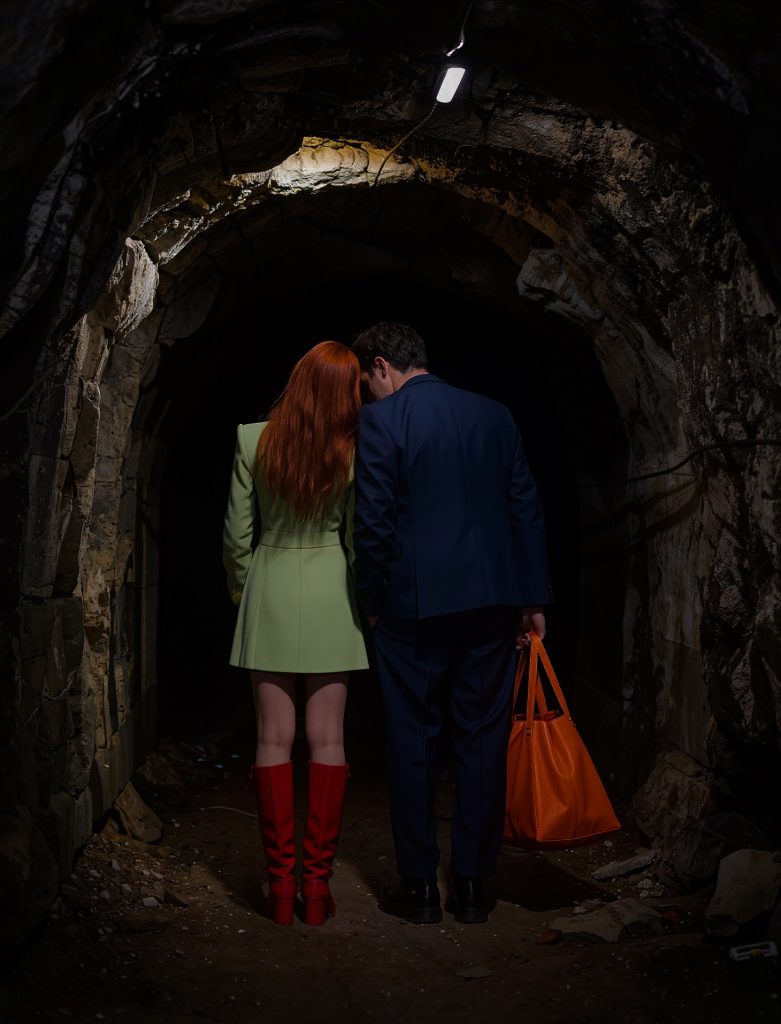
She dragged him the rest of the way, his body already slack and compliant. The tunnel was just as she remembered from her last visit, maybe drier, the walls almost warm from the unseasonable weather. She made efficient work of the prep, first stripping him down, then positioning him on the plastic she’d laid out during her initial scouting run. The interior rituals had their own gravity, their own rhythm; she worked in silence, thinking of nothing in particular except the need for efficiency and the avoidance of evidence.
She’d read, somewhere, that serial behavior was a function of neural pathways: the repetition was both a reinforcement and a reward. She’d always scoffed at the pop psych explanations, but in this moment, kneeling over the cooling body of a man who’d followed her into the dark with open, hopeless faith, she wondered if maybe it was just that simple.
This one had been easier than the others. No desperate struggle, no pleading, just a sort of mute acceptance. She almost respected him for it.
She finished the cleanup, and moved the body through the secondary chamber—an old offshoot of the main tunnel, hidden from even the most diligent searcher. She’d scouted and used it before, drawn by her mother’s stories of the old mineworks, and had chosen it for its combination of obscurity and ease of access. She found the false floor and removed the cover. She doubted the bodies would ever be found, but if it was, she’d left nothing to connect it to her. Not this time.
She dressed in what she called her “work clothes” with the long dark wig and emerged into the night, her hair damp with mist, her clothes reeking of mud and old stone.
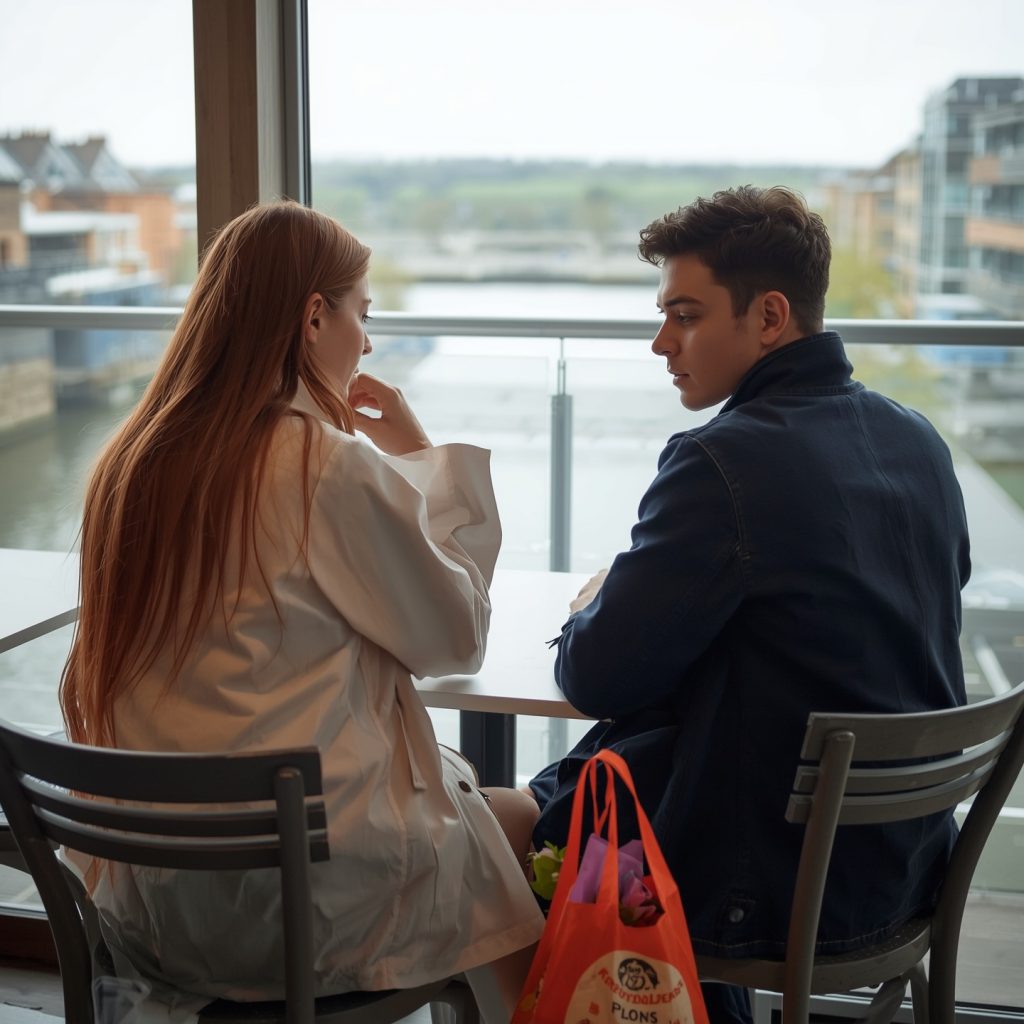
On the ridge above, the world went about its business—cars passing on the lane, the faint flicker of a television behind frosted glass, somewhere a dog barking at nothing. She retraced her steps to the churchyard and retrieved the orange Sainsbury’s bag for life. Flowers, chocolate and Prosecco. A moment of regret? No.
She climbed the hill, boots squelching, and took a long, slow breath. The air tasted of iron and ozone.
She felt, as always, a complex blend of regret and release. The regret was sharp and bright, but the release was deeper, a softening of the knot that had grown tight in her chest over the weeks of planning and anticipation.
She walked back to her car, pausing at the stile to look down into the hollow, half-expecting to see some sign of her passage—a trail of flattened grass, a shoe lost in the bog—but there was nothing.
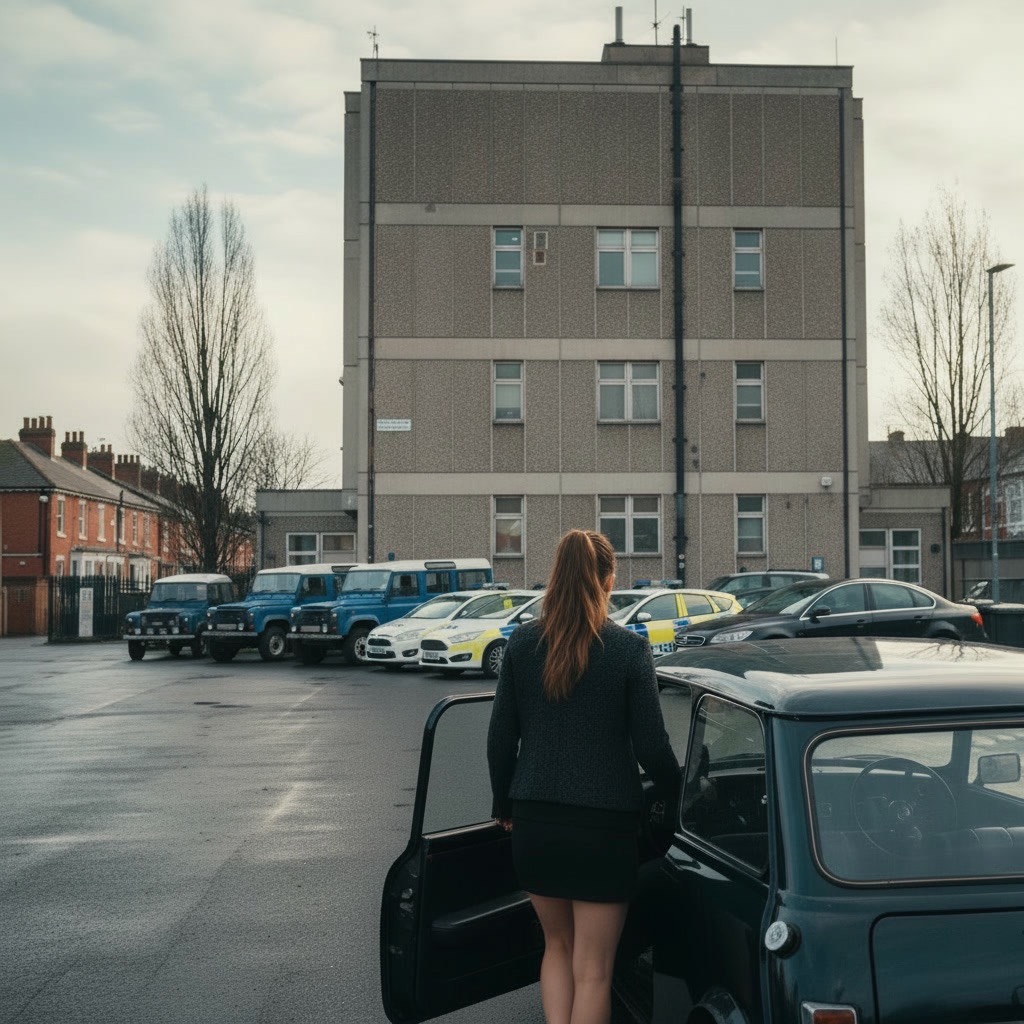
The mist had already closed over the path, erasing every step. Her car, an old black Mini stood alone in the isolated lane away from the main road.
She got in, started the engine, and drove away. For a moment, as the headlights cut through the dark and gathering mist, she imagined she saw him standing at the edge of the woods, waving.
But of course that was impossible.
She had a new quest now.