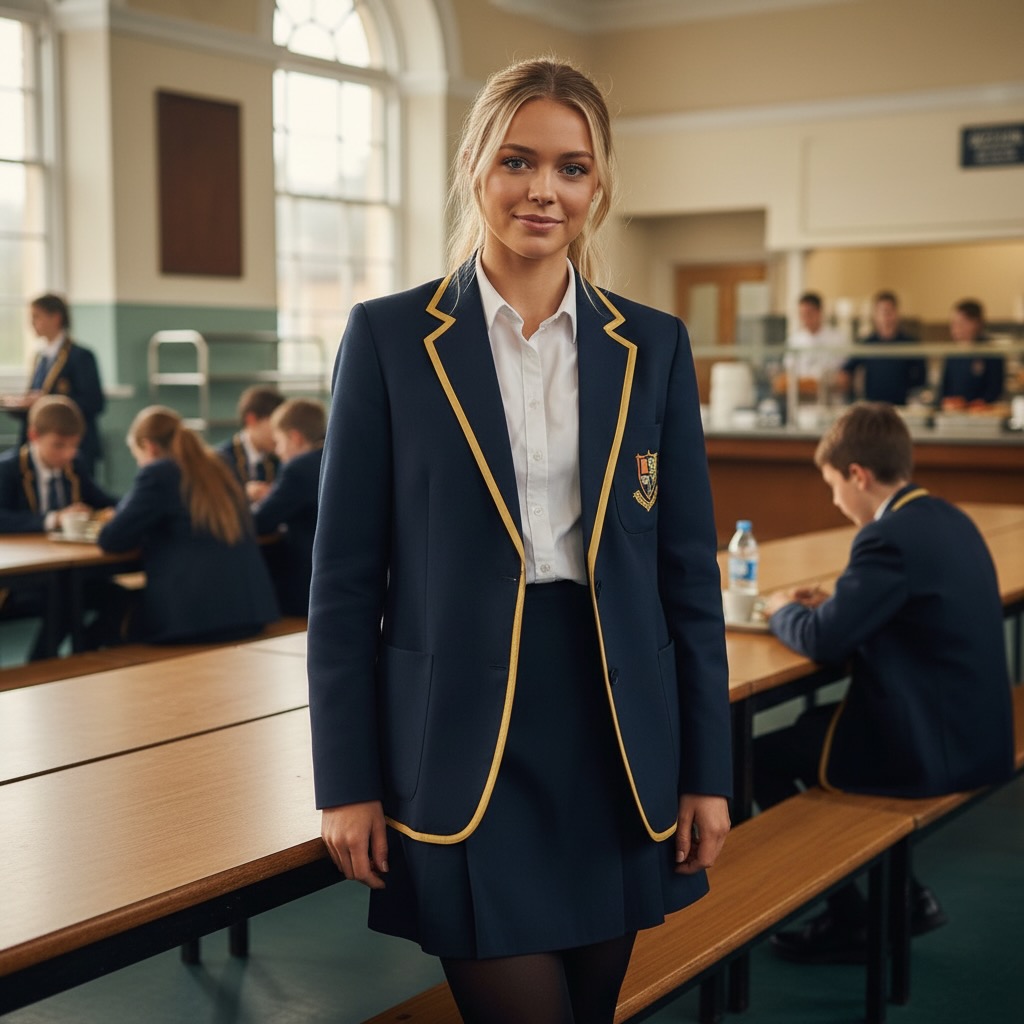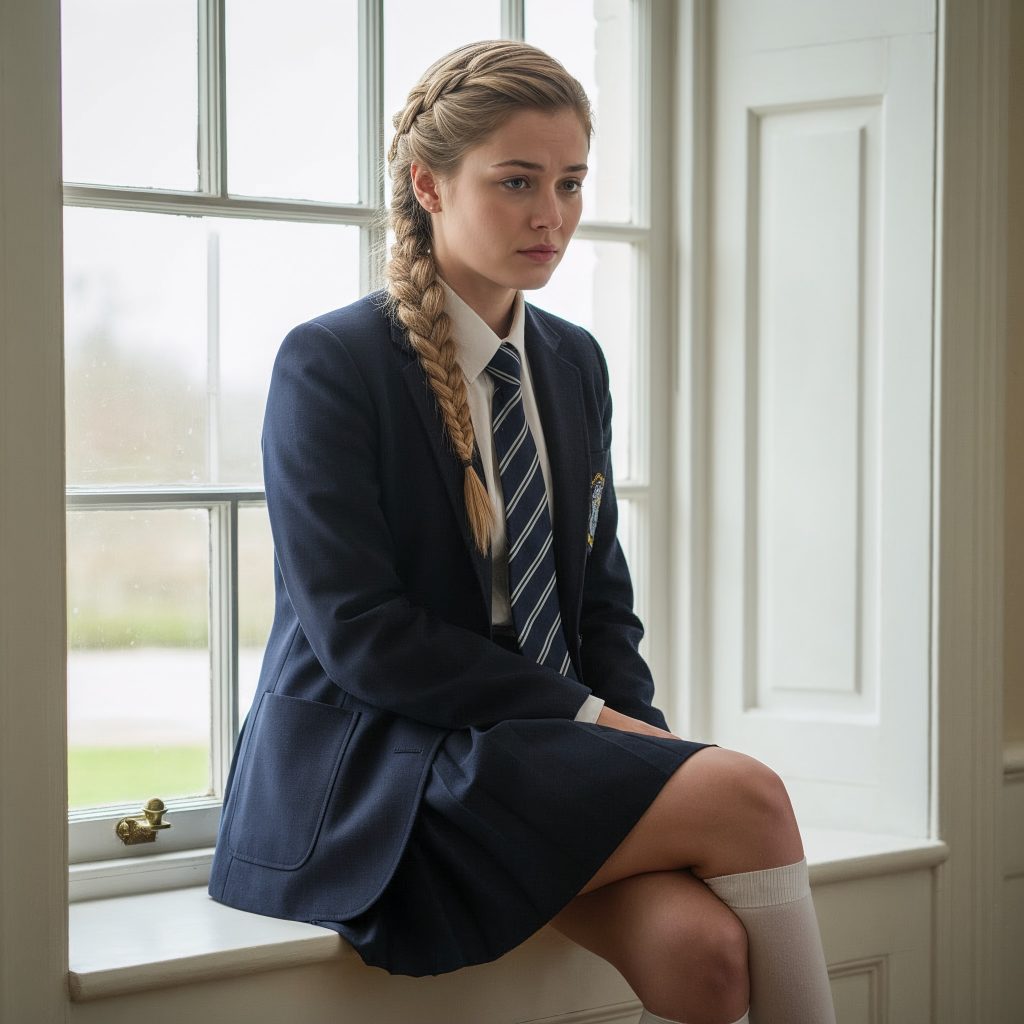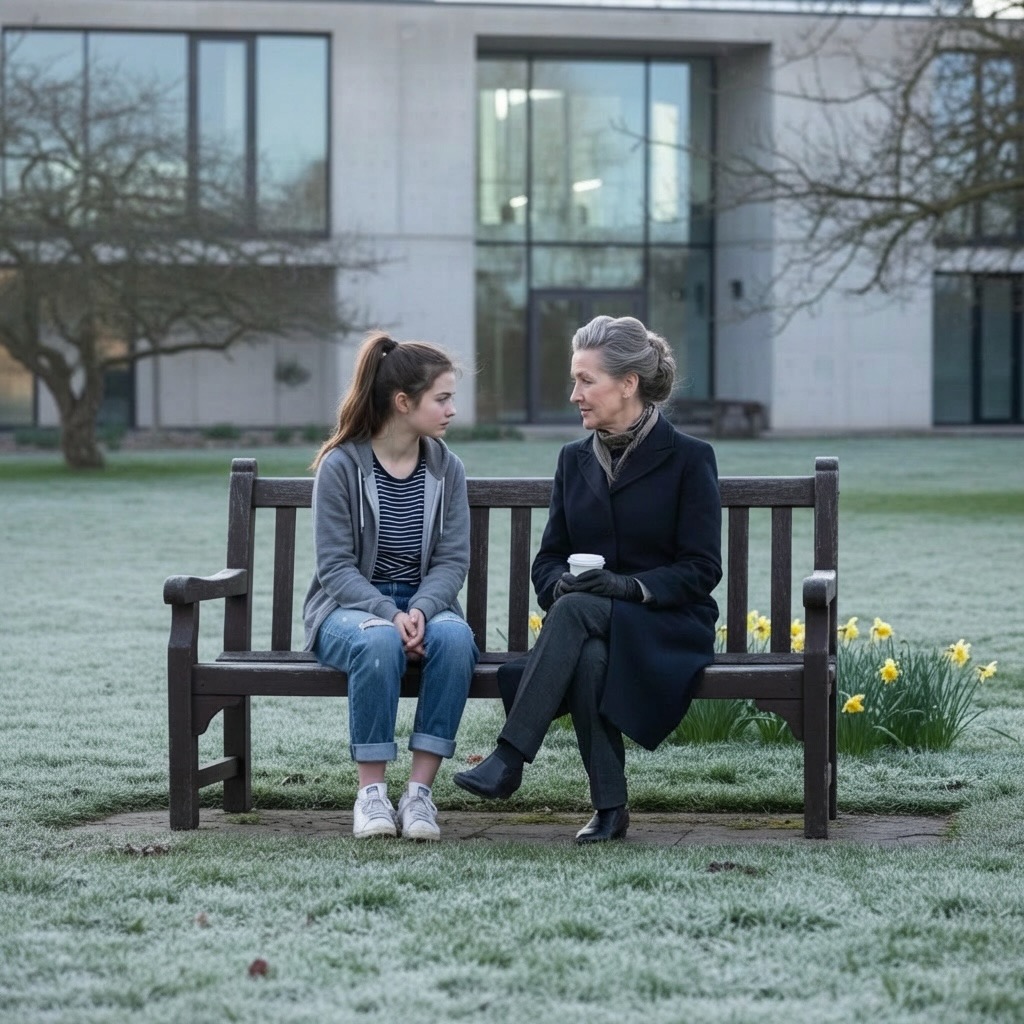
Winter relinquished its grip on the campus with fits and starts: one morning a sheet of black ice on the footpaths, the next a sudden thaw that flooded the fields and left the corridors humid with condensation. By early March, the new term’s energy had begun to sour. The boarders, especially, vibrated with cabin fever, and every week another drama detonated—a theft, a rumor, a clandestine party in one of the attic spaces. Julia watched these incidents unfold with a detached precision, keeping meticulous notes in her logbook. She had learned, by now, to notice the fault lines before they broke open.
The only thing she failed to predict was Victoria’s obsession.
At first, it was low-level static: pointed comments in the hallway, notes left in Julia’s locker, anonymous edits to the school’s gossip blog. But by the third week, the game had escalated. Victoria began a campaign to win back her dominance—not by direct challenge, but by seeking, through Julia, an edge over Fiona. She positioned herself as a broker of secrets, offering small morsels of scandal in exchange for access to Julia’s intelligence.
Julia feigned disinterest, never confirming or denying the rumors Victoria offered. But she filed every piece of information, cross-referencing with her own digital archive, building a profile of Victoria’s moves and motives. She sensed, beneath the performative antagonism, a kernel of desperation—something more personal than the usual games.
The confrontation, when it came, was both inevitable and sudden.
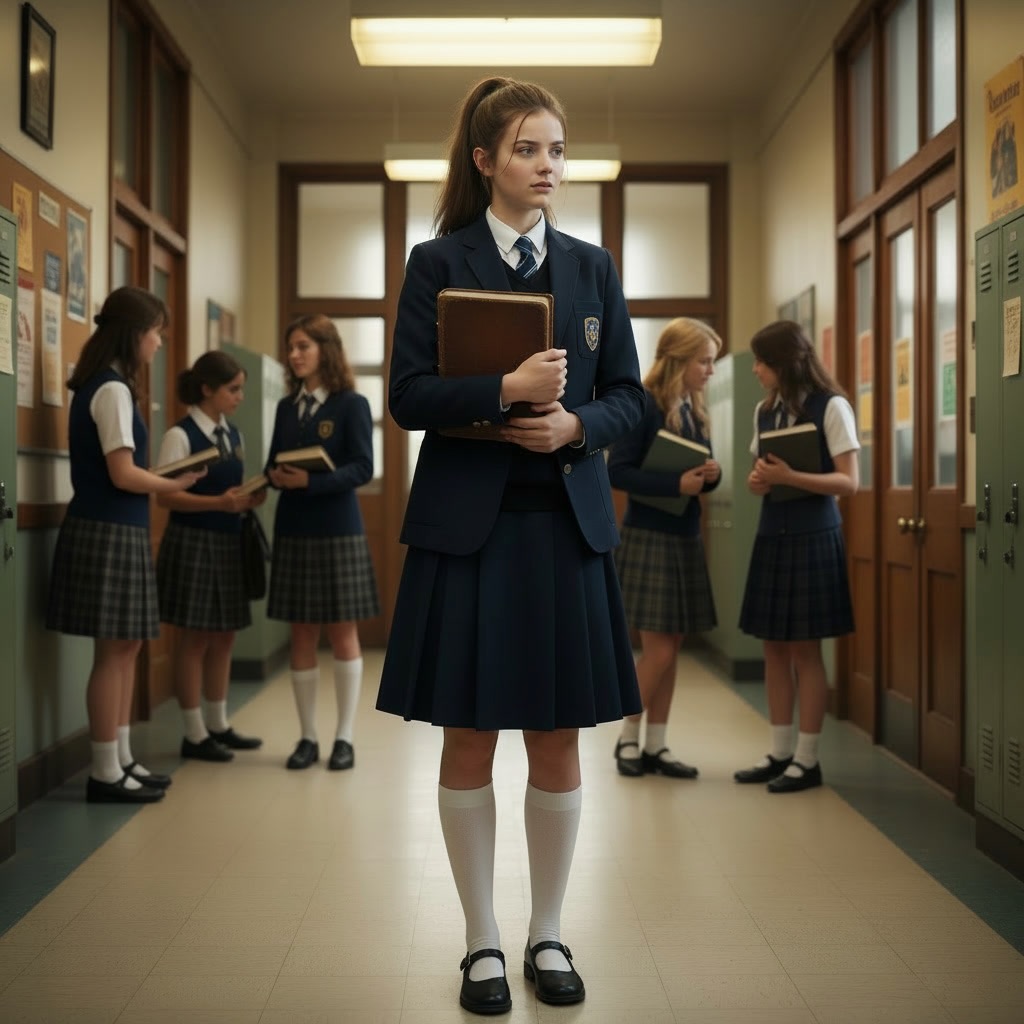
It happened on a Tuesday, after last period. The halls were nearly empty, the late sun flooding the north-facing stairwell with pale gold. Julia was sorting her books at her locker when Victoria appeared, her hair pulled back so tight it looked painful. She closed the locker door with a crash, blocking Julia’s retreat.
“We need to talk,” Victoria said, each syllable clipped.
Julia regarded her with the calm of someone who had already mapped the battle in advance. “Is this about Fiona?”
Victoria laughed, high and cold. “Don’t flatter yourself. She’s not all that.”
Julia waited.
Victoria leaned in, voice dropping. “I know you’re up to something. You’re not as invisible as you think, Holloway. People talk. They notice when marks change, when teachers start treating you like a little prodigy.”
Julia shrugged. “Maybe I’m just better than you thought.”
A flash of anger twisted Victoria’s face, but she smoothed it with effort. “You think you’re so clever. But girls like you always get caught. One mistake, and it all comes out.”
The moment stretched. Julia could feel the tension vibrating in her own teeth.
“What do you want, Victoria?” she said, softly.
Victoria stepped back, opening her arms in a parody of innocence. “I just want to know what you have on Fiona. You’re her little pet now. I bet she tells you everything.”
Julia shook her head. “You’re wasting your time.”
Victoria smiled, thin and calculated. “I have ways to make you talk.”
The threat was empty, and Julia knew it. Victoria relied on intimidation, on the collective weight of her old clique. But her power was fading. Still, there was a finality in her posture—a sense that this was the last card.
Julia looked past Victoria, to the window where the trees trembled in the wind. Then she said, “You really don’t want to play this game with me.”
Victoria’s smile faltered, just for a second. “Try me.”
So Julia did.
In a voice so quiet it forced Victoria to lean in, she said: “I think Oliver will be very interested in how well you get on with Stuart.”
It was a simple sentence, but it detonated in the air like a charge. For a moment, Victoria was frozen—her eyes wide, jaw slack. Then she recovered, but the mask was gone.
“You—what did you say?”
Julia let her words unfurl, measured and merciless. “Oliver. Your boyfriend. I imagine he doesn’t know about the photos. Or the phone calls. Or the locker in the shed behind the maintenance office.”
A flush crept up Victoria’s neck, her hands clenching and unclenching.
“That’s not—”
Julia smiled, showing no teeth. “You should be more careful with your passwords.”
Victoria’s voice was a whisper now, stripped of all its armor. “You can’t prove anything.”
Julia held her gaze, steady and unblinking. “I don’t need to. But if you come near me again, or try to hurt Fiona, I’ll make sure everyone knows. Not just here, but at home, too.”
For a long moment, neither spoke. Victoria’s breathing was shallow, the whites of her eyes stark against the black of her mascara. Then, all at once, the fight left her. She backed away, bumping into a row of lockers. Julia took one last look and walked away down the corridor, to the common room.
Fiona was there, working a crossword with two other girls. She looked up and smiled, genuine and easy, and gestured for Julia to join them. The room was warm, full of the low buzz of after-school exhaustion and relief.
Julia slid into the seat, the tension draining from her body in slow increments.
It was over. Or, at least, this phase was.
Later that night, in the privacy of her bed, Julia replayed the confrontation. She wondered if she’d gone too far, if she’d become something she didn’t recognize. But then she remembered Eleanor’s words: “Every system has a flaw. Even you.”
She lay there, staring at the ceiling, and felt a strange peace settle over her. Not triumph—never that—but the satisfaction of having survived, and the knowledge that she could do it again.
Spring would come in time. The world would soften. The games would change.
But for now, Julia was content to rest in the dark, listening to the quiet hum of the school around her, and think about all the things she might do next.
She knew now thought that despite being not yet 17 and “frail” she had enough knowledge and skills to be able to control everyone and everything around her. And that was a necessary skill in life that would be perfected over time.