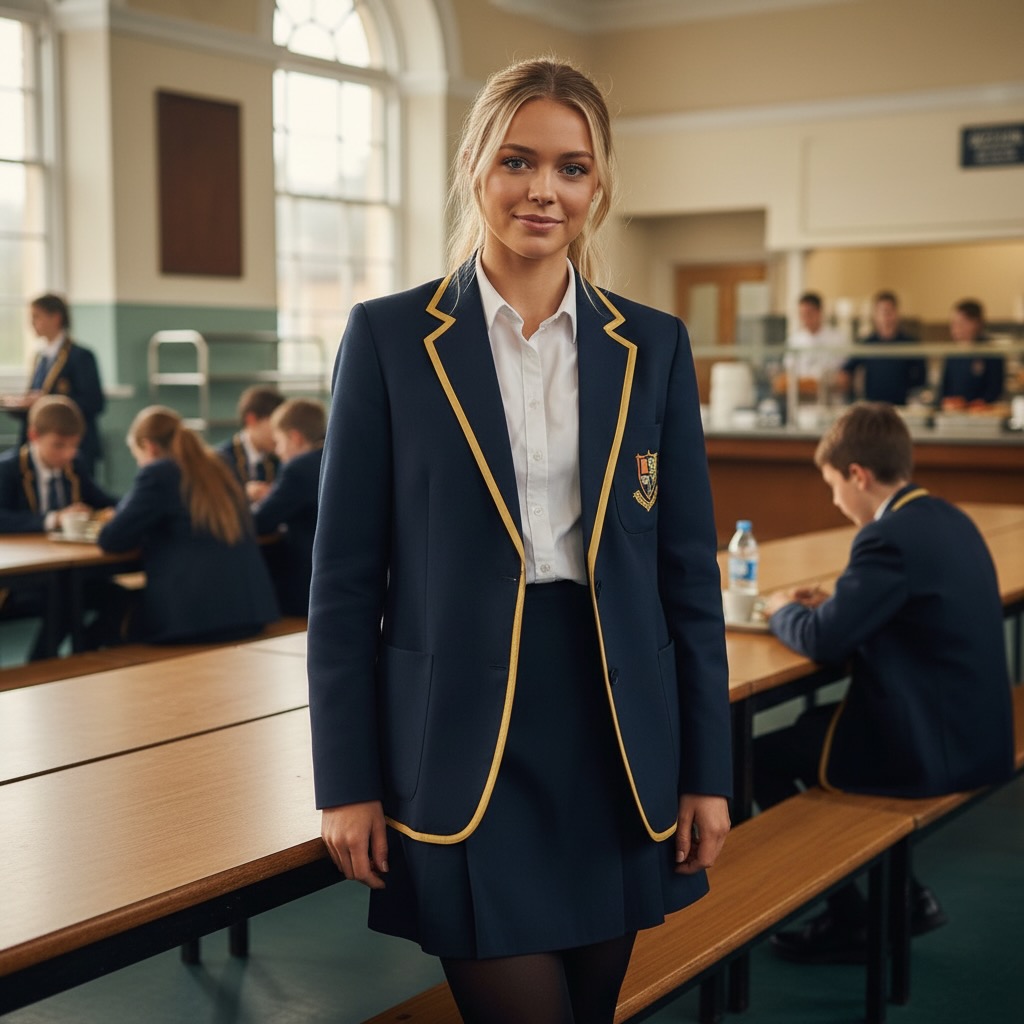
St Teresa's School
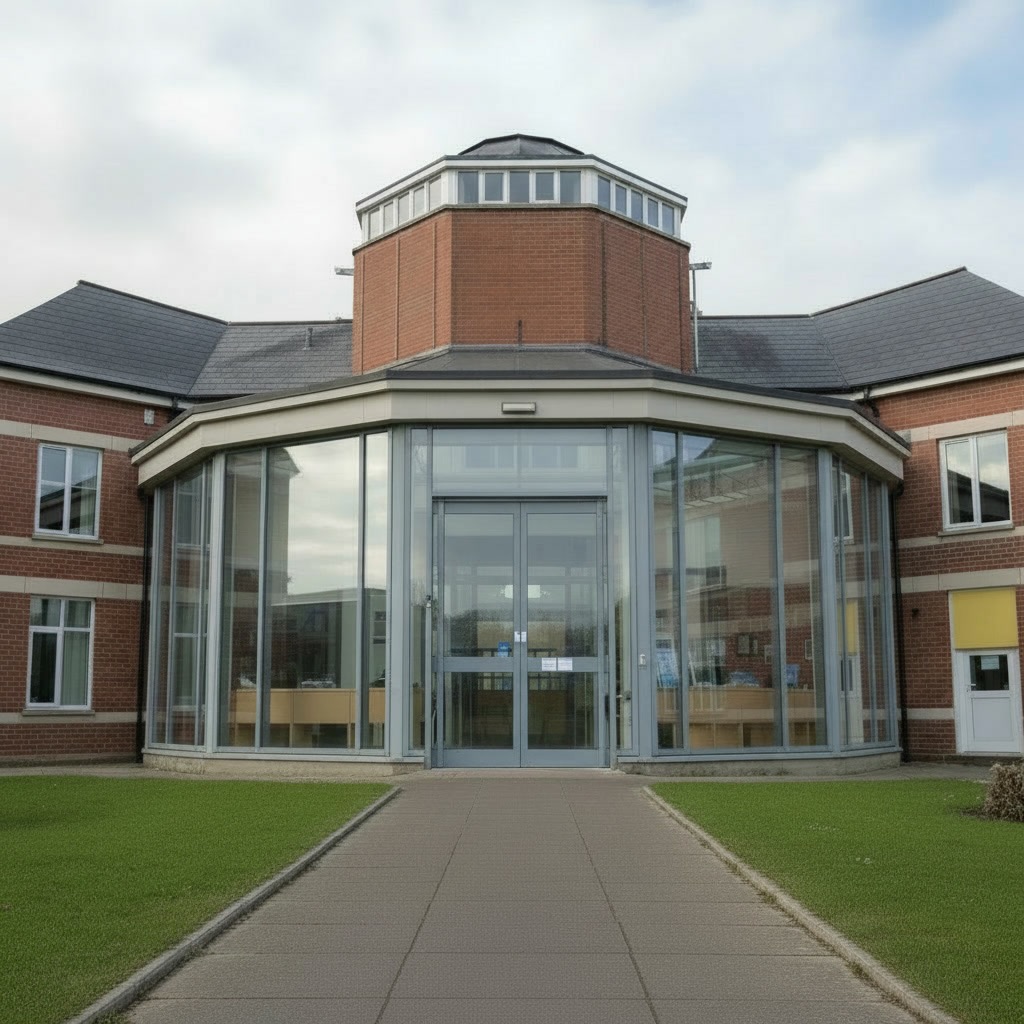
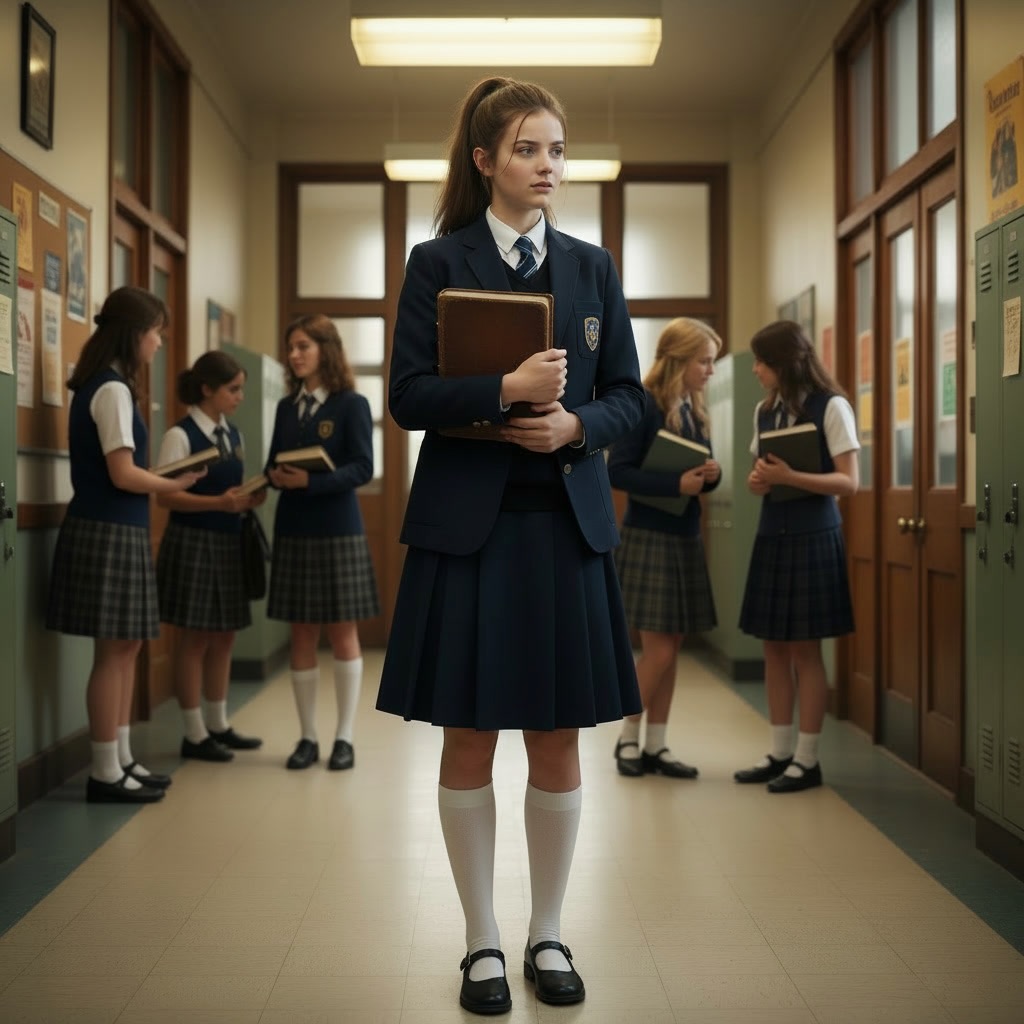

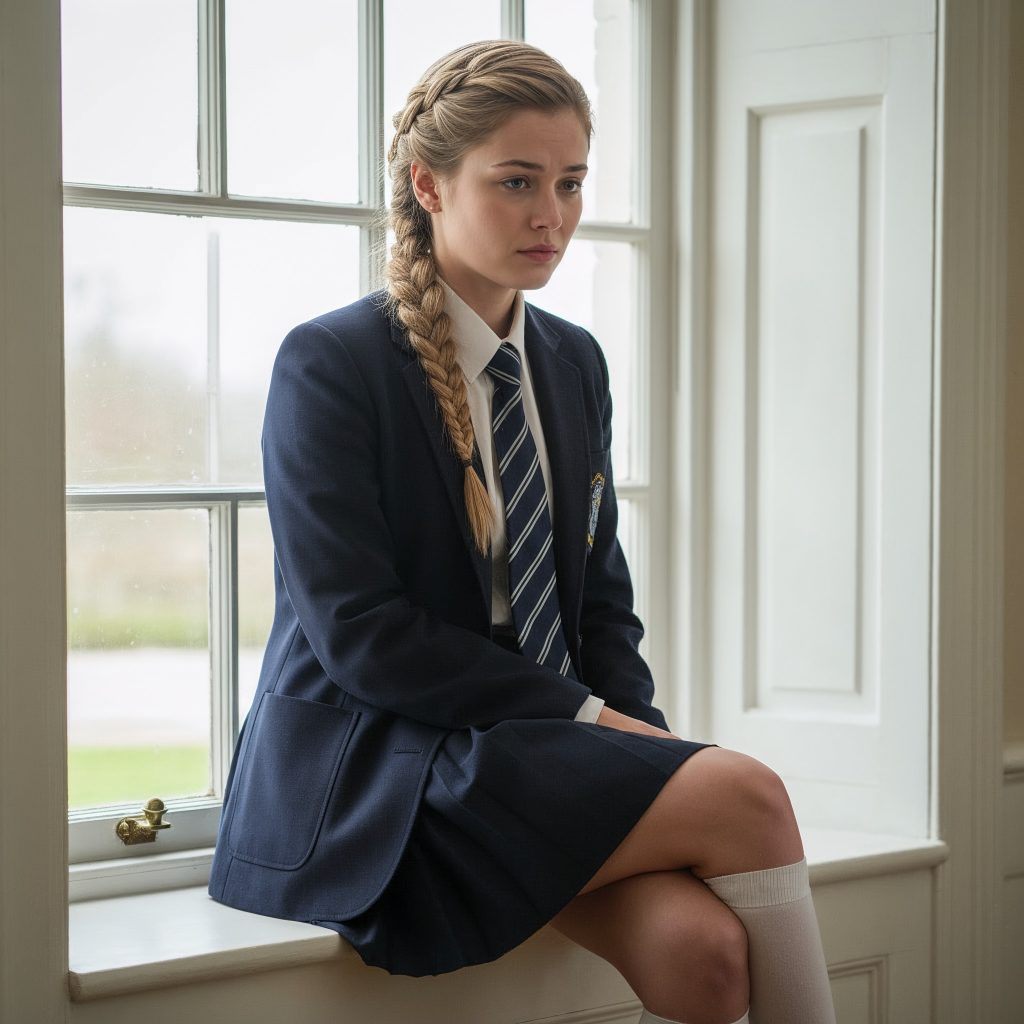
The diagnosis—functional, not anatomical—was written in a faint, apologetic hand: “vasovagal episodes, likely stress-induced, recommend excusal from strenuous activity.” With this, Julia was granted the rarest of commodities at St Teresa’s: unsupervised time. While her year group slogged through muddy lacrosse practice, she was assigned to the library, a space so over-lit and under-populated it felt like an abandoned stage set. The librarian, an ageless woman with a nicotine cough and a bi-weekly perm, paid no attention so long as Julia signed the attendance sheet and stayed clear of the archival stacks.
Julia spent her first week in exile reconnoitering. She mapped the gaps in the CCTV coverage (three, including the corridor behind the print room), memorized the rhythm of the janitors’ rounds, and noted which teachers left offices unlocked during break. She moved quietly, the new keys heavy in her pocket, careful never to be seen in the same place twice in one period.
Her favorite haunt was the small room at the back of the library labeled “Reference Only.” Inside, battered yearbooks and decades of exam papers formed haphazard towers, and the Wi-Fi signal was inexplicably stronger than anywhere else on campus. She found she could log onto the network with the admin credentials from her last heist, granting her a panoramic view of the school’s digital underworld.

There was a power in knowing every email sent, every detainment issued, every detour from the official timetable. Julia read them all, absorbing the rhythm of the school as if learning a new language. She cross-referenced digital gossip with real-world sightings, building a living taxonomy of every girl’s alliances and enmities, every staff member’s indiscretions.
The keys provided access of another kind. On her third day, Julia waited for the library to clear, then slipped into the janitors’ closet. Inside: industrial mops, a wheeled bucket, and a locked cabinet labeled “Chemicals—Do Not Touch.” The master key fit, of course. She opened it, found not only bleach and ammonia but a trove of confiscated contraband: vapes, nail polish, even a bottle of cheap gin. She took nothing, but committed the inventory to memory.
With each passing week, she experimented further: testing which doors the keys opened, timing the latency of the fire alarm before someone responded, learning the codes for the staff toilets (most were just the year of the school’s founding, “1978”). She began, in small ways, to influence the world around her. When a particular girl, Karen, tripped her in the hall and called her “Freakshow,” Julia waited until Karen left her phone unattended during break, then set the background to a screenshot of Karen’s most humiliating Snapchat, posted weeks prior and now returned like a ghost. Julia never saw Karen cry, but the apology came the next day, loud and public.
Julia also began observing the power groups within the school hierarchy deciding which of them would be the most advantageous.
There was Victoria’s group which while having some influence was limited by being too close.
And then there was Fiona, the head girl. Fiona operated from a different altitude. She seemed to float above the school’s day-to-day turbulence, untouched by the microdynamics that preoccupied Julia and the others. She carried her power with the languid assurance of an heiress; despite being an accomplished triathlete. Julia never saw Fiona run for anything, never saw her lose composure, not even when the rugby team’s prank set fire to the sixth form’s patio furniture. If Victoria was the local queen, Fiona was the sovereign—visible only by the shape her absence left in the air.
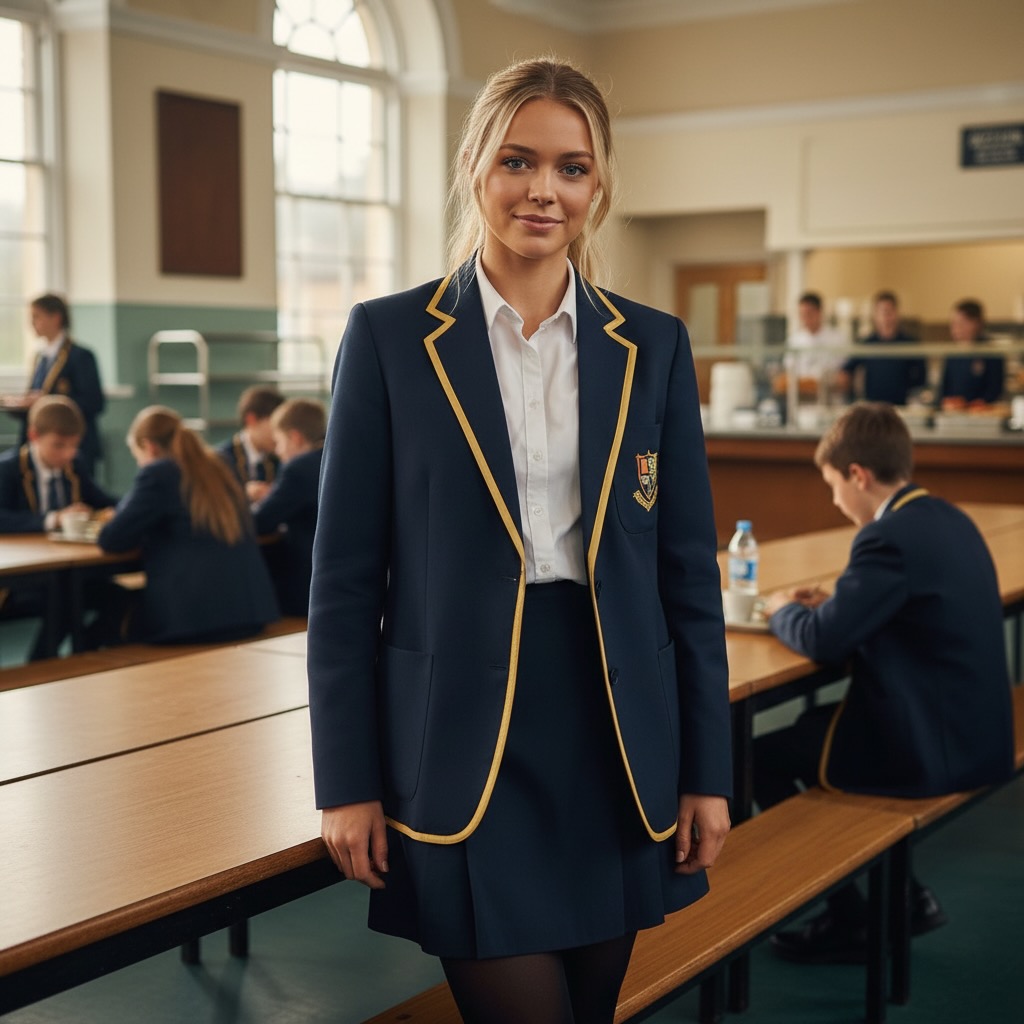
It was the Mathematics test that proved decisive. The exam was a massacre, with the highest score barely a 60. In the library, Julia logged onto the school’s grading system and saw her own mark—96, the only one above 90 in the year. Fiona’s was a humiliating 56, just scraping a pass. Julia hesitated, then, with a couple of keystrokes, changed it to an 81.
The next day, the atmosphere in the common room was electric. Fiona’s gang crowded around her, congratulating, some in awe, others in open envy.
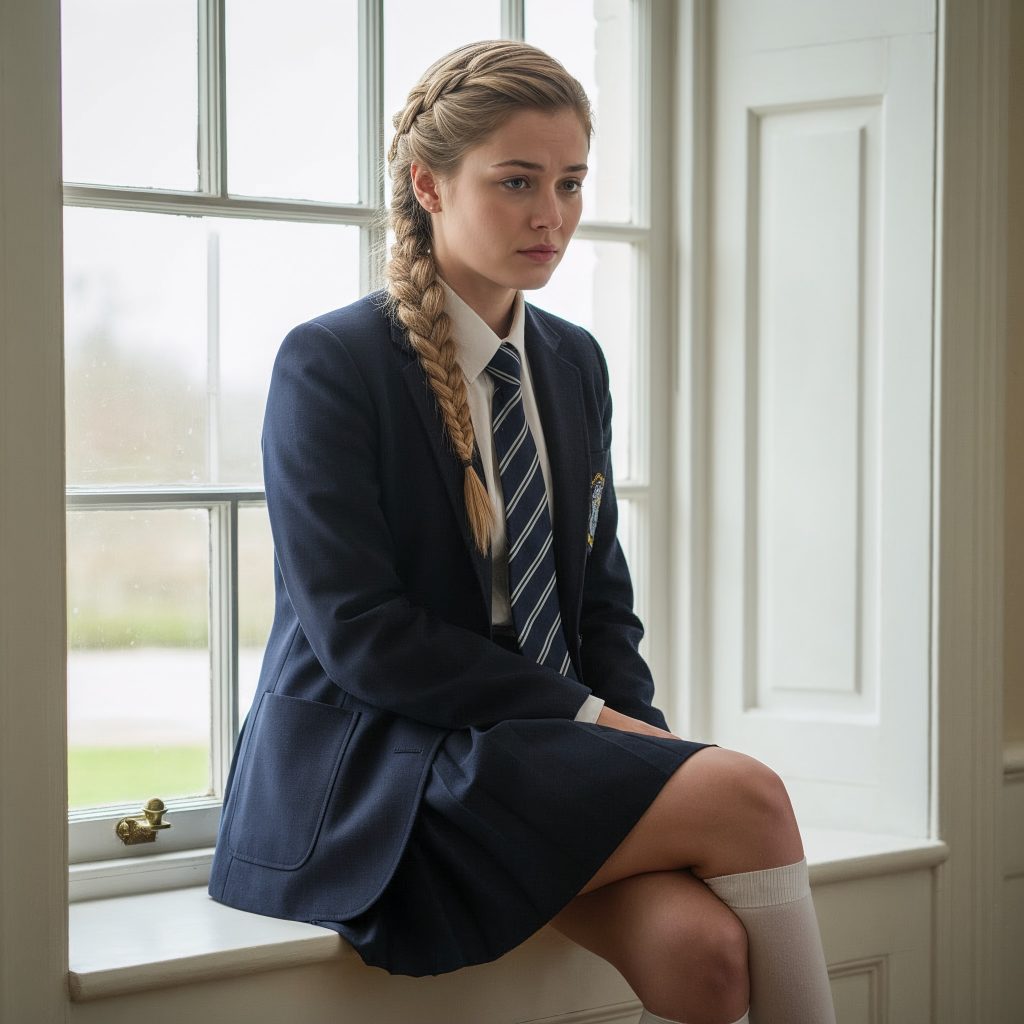
Victoria, sulking on the window ledge, watched the exchange with thinly veiled disdain.
Later, in the lunch queue, Fiona caught Julia’s eye. She beckoned her over.
“Hey, math genius,” Fiona said, her voice low and edged with a dare. “How’d you do it?”
Julia shrugged, smiling in her practiced, self-effacing way. “I like numbers.”
Fiona grinned. “You can sit with us, if you want. There’s room at our table. Victoria doesn’t own the place, no matter what she thinks.”
Julia slid in next to her. The group’s conversation swirled around fashion and feuds and teachers’ quirks, but Julia paid attention only to the data, the information passed in half-formed sentences and sidelong glances. She noticed the way Fiona deferred to her—subtly, but unmistakably—when someone posed a factual question, or when the group needed a decision.
A week later, Julia had a standing invitation to join Fiona and her friends at the “good” end of the lunchroom, and even the teachers started to treat her less like an alien presence and more as an expected part of the landscape.
Victoria, for her part, did not contest the new hierarchy. She pivoted her energy to drama club and cross-country, leaving Julia in peace. The only sign of grudge was an occasional glance, icy and surgical, across the crowded refectory. Julia filed it away, knowing that such wounds never truly healed.
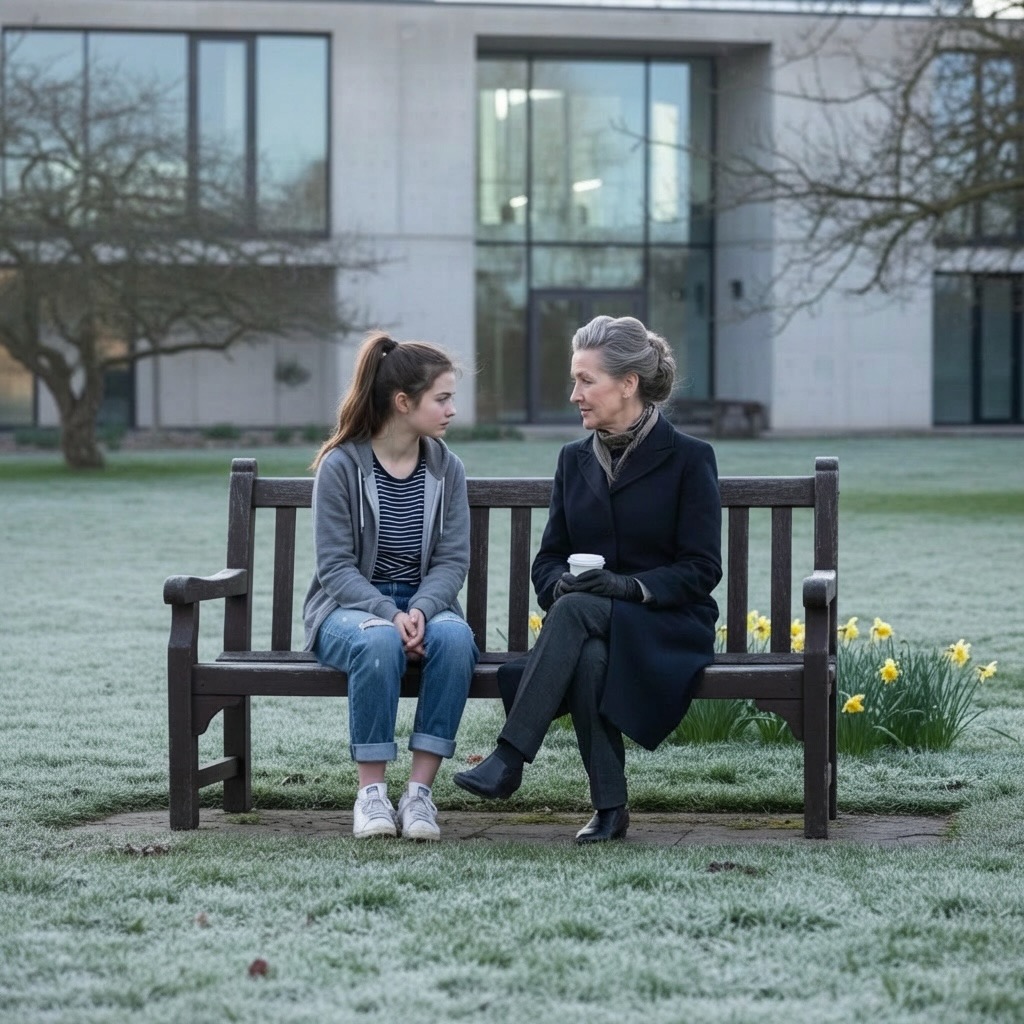
By the third visitation weekend, Julia was settled enough to look forward to her grandmother’s arrival. Eleanor arrived punctually, as always, but this time with a rare hint of animation in her step.
“Let’s walk,” she said, not even pausing for coffee. They circled the perimeter of the hockey pitch, the late March air softening, snowdrops and early daffodils poking through the border grass.
“I’ve heard interesting things,” Eleanor said, voice pitched just for Julia. “You’re making friends.”
“It’s easier than I thought,” Julia replied. “Sometimes people want to be led.”
“Not led,” Eleanor corrected. “Protected. There’s a difference.”
They walked in silence for a while, watching the games in progress: girls sprinting, shrieking, jockeying for the ball with an intensity that looked like war. Julia was struck by the rawness of it, the physical risk taken for a single point.
Eleanor said, “I suspect you’ve found your place, then.”
Julia thought of the keys, the passwords, the new seat at the high table. “I have. It’s not hard, if you know what to look for.”
Her grandmother smiled, sharp and small. “What about the teachers? Are they as predictable as the girls?”
Julia weighed the question. “They have patterns, too. But they’re more careful about hiding them.”
Eleanor nodded, as if confirming a theorem. “You should always study your teachers. Often, they’re the most vulnerable.”
They completed another circuit of the pitch, the sun now warming the back of Julia’s neck. At the gate, Eleanor stopped and turned to face her.
“I’m proud of you,” she said, and there was no sarcasm, no hedging in the words.
Julia felt, for a moment, as if she might shatter from the force of the compliment.
Eleanor added, “Just remember: every system has a flaw. Even you.”
She left it at that.
Back in the library that afternoon, Julia tested her own flaw. She found herself watching Fiona, the way she sat, the way she controlled the table with a glance or a tilt of her head. It was different from Victoria’s command—softer, but more lasting. Julia wondered if, someday, she would be able to do the same.
But she also recognised other feelings about Fiona. Something physical? Something like desire? It took days to put a name to the feeling. Obsession, that she understood; the taproot of her life, branching everywhere. But this was something springier, feral, unwieldy. It caught in the pit of her stomach and radiated up, like a fever triggered by proximity, by the scent of Fiona’s shampoo in the lunch queue or the way her eyes darted lizard-fast when she lied. Just the way she moved. Julia had catalogued lust before—on message boards, in bands of older girls clumped at the edge of the playground, sometimes in the hunched posture of her own mother when she spoke of long-ago friends—but she’d never expected to find the same distortion in herself.
She tested it with the methods she trusted. She left traps: comments during group work, “forgetting” facts she absolutely knew, waiting to see if Fiona would correct her. She watched, minute by minute, the pattern of Fiona’s attention, marking the places it clung or skipped, flexed or hovered.
She mapped the algorithm of Fiona’s moods, the points at which she would glance up from a book or tip her head in a way that brought the nape of her neck into profile, and each time Julia felt the volt of it. Once, at the library table, Fiona’s thigh pressed against hers under the pretext of squeezing three girls onto a bench, and Julia felt her body register the touch as a kind of threat, a surge of blood that left her hands useless for minutes after. She watched the way Fiona handled her phone—never out, always face-down, as if every message might be a grenade. Julia wondered then what it would be like to possess all of Fiona’s secrets, to be the object of her total, helpless attention, to have her entire digital self mapped and stored. She could almost taste the want of it and thought of them perhaps together. And not just Fiona’s digital self.
She’d read somewhere (in one of her mother’s old psych texts, she thought) that obsession was the precursor and often led to a loss of control. And having gained control she was not going to let it go, even though it might lead to pleasure. She knew one say she would find pleasure but at the moment she was not willing to pay the price.
She went to the Reference Only room and opened her journal. She wrote: “Every system has a flaw. Find it before someone else does.”
Then she logged onto the school network and, for the first time, allowed herself a private smile at the sight of the blank, blue admin screen.
Not everything needed fixing.
Some things only needed to be seen.