Category: Sarah

  • 20181608 Doubts?

    20181608 Doubts?

    This entry is part 17 of 17 in the series Journey to Linger

    They met at the top of Lyth Hill, just as the sky was spitting rain—Sarah’s idea, of course. She’d texted the coordinates at dawn, a pin dropped in the middle of nothing, with a note: “Bring food, I’ll bring the trauma.”

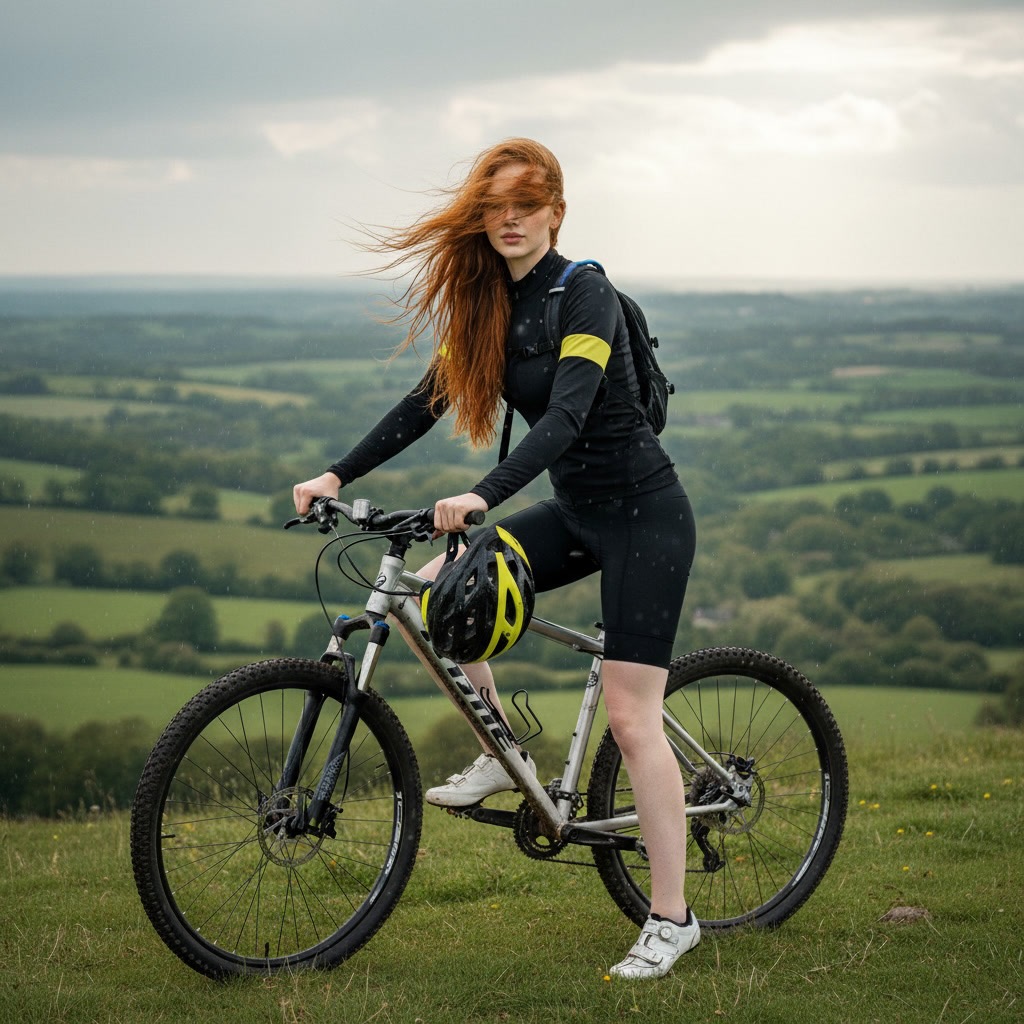
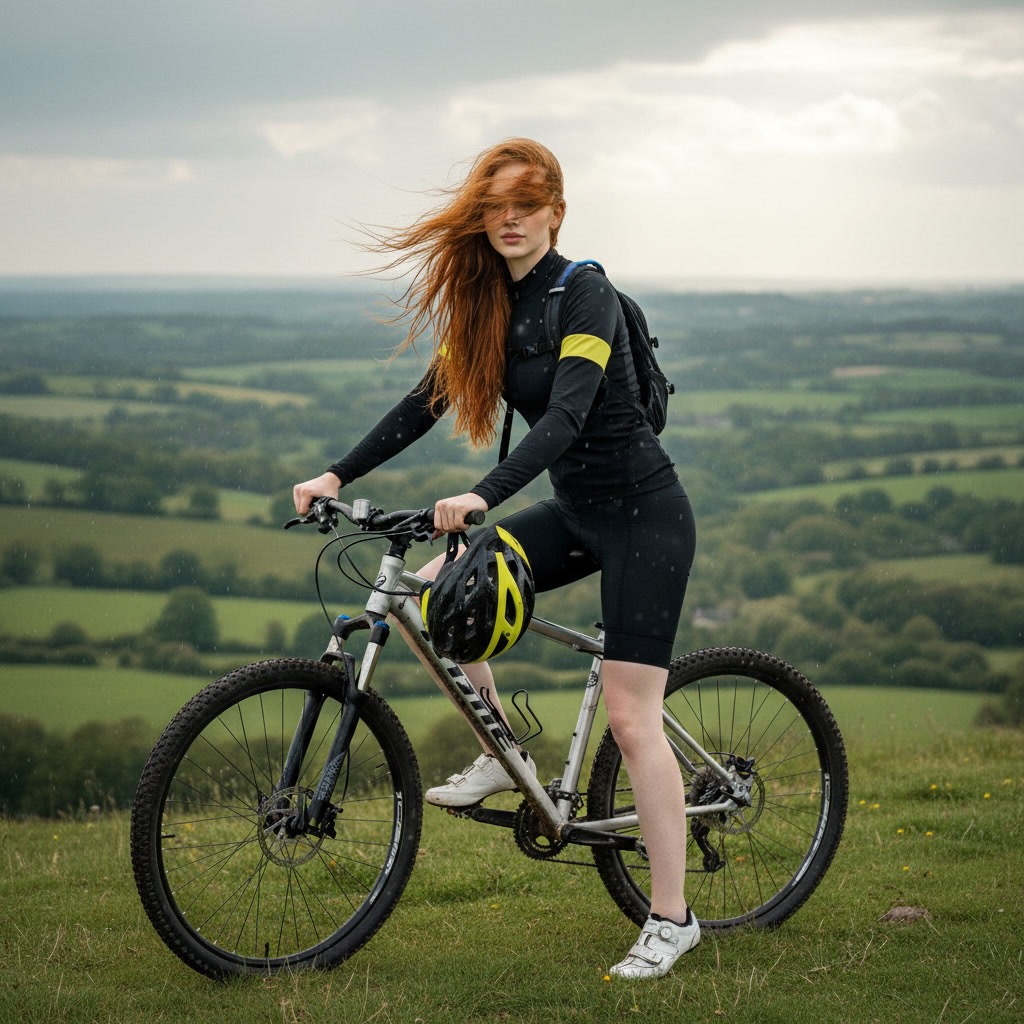
    Julia biked up the bridle path, legs already sore from the climb, and found Sarah waiting at the highest point, boots caked in mud, arms stretched out as if to embrace the wind.

    “Look at this,” Sarah said, voice wild with adrenaline. “It’s like fucking Scotland.”

    Julia nodded, breath visible in the cold. “It’s dramatic.”

    Sarah grinned and opened a thermos, pouring two cups of something steaming. “Irish coffee. Don’t tell Mum.”

    They huddled in the lee of a rock, cups braced between their knees, the world below them a map in shades of olive and slate. For a while, Sarah talked about the stables—someone had been sacked for stealing, a new horse had arrived, there were plans to host a charity gymkhana. She told the stories with her usual rapid-fire relish, but every so often her eyes flickered, the mask slipping.

    Julia waited.

    After a silence, Sarah said, “So. Me and Miller.”

    Julia kept her face blank.

    “It’s fun, mostly,” Sarah said, swirling her coffee. “He’s crazy generous. Last weekend he took me to some private club in Birmingham—five star hotel, champagne, dinner, the works. I’ve never seen anything like it.”

    Julia said, “He’s not your usual type.”

    Sarah laughed, too loud. “God, no. He’s old enough to be my uncle. But he’s got this energy, you know? Like he actually listens to me.”

    “Does he?” Julia said, quietly.

    Sarah shrugged. “Sometimes. When he’s not talking about his projects. Or himself.”

    A gust of wind rattled the gorse bushes. Julia let it fill the silence, then said, “You don’t sound sure.”

    Sarah stared at the horizon. “He gets weird. Like, sometimes he’ll text ten times if I don’t reply. Or he’ll just show up at the yard, like he owns the place. He gave me a new phone—said mine was shit, but I think he wanted to check who I was talking to.”

    “That’s not normal,” Julia said, her voice flat but not unkind.

    Sarah drained her cup. “I know. But it’s not like he’s scary. Just… intense. Maybe I need that, I don’t know.”

    Julia wanted to say, “You don’t,” but held it in. She watched Sarah’s profile—sharp, defiant, the line of her jaw set against the wind.

    Sarah bumped her shoulder. “You’re judging me.”

    “I’m not,” Julia said, and it was true. She didn’t judge. She just observed.

    Sarah stood, brushing crumbs from her jeans. “Look, I know you’re the clever one. But I’m not stupid. I can handle it.”

    “I never said you couldn’t.”

    Sarah grinned, the bravado back. “Anyway, it’s not like I’ve got a queue of better options. Besides, you know what they say: go big or go home.”

    They packed up, and Sarah insisted on racing her down the hill, shrieking as the bikes skidded over shale and nearly went airborne on the last dip. At the bottom, gasping and filthy, Sarah threw her arms around Julia and said, “You’re my anchor. Don’t let me float away, okay?”

    Julia hugged her back, feeling the bones in Sarah’s shoulders, the familiar tremor of adrenaline under her skin.

    “Never,” Julia said.

    But she knew that anchors sometimes broke, and that some people wanted to drift, even if it meant being lost.

    They parted at the crossroads, Sarah waving until she was just a blur of red boots and wild hair in the distance.

    Julia cycled home in the deepening gray, the taste of Irish coffee lingering on her tongue.

    She wondered if she’d ever learn how to stop watching.

    Or how to start saving people from themselves.

  • 20180729 The Party

    20180729 The Party

    This entry is part 16 of 17 in the series Journey to Linger

    She aced her GCSEs, of course. Not just “did well,” but achieved the kind of sprawl of nines and A*s that made teachers quietly resentful and her mother vaguely embarrassed. The letter from St Teresa’s called her “a credit to the institution,” which was how Julia suspected most people would remember her: not as a person but as an accomplishment.

    That summer, with the first term at Ludlow College still months away, she drifted in the borderland between childhood and whatever came next. Hillside Haven felt emptier than ever. Her mother was busy with a new book, her moods swinging between euphoric productivity and days of staring at the wall, unmoving. Eleanor made only brief visits, now, and on those rare afternoons seemed fixated on probing Julia’s future, not her present.

    Sarah, by contrast, was at the center of a world in motion. She worked double shifts at the stables, spent her evenings in the pubs, and her nights, increasingly, in the orbit of the county’s better-known wild children. She’d made a name for herself: “Party Saz.” It was a badge she wore with the defiant pride of the truly impervious.

    At the end of July, Sarah texted: “You have to come to this, Jules. Seriously. Best night of the year. Don’t bring your mother.”

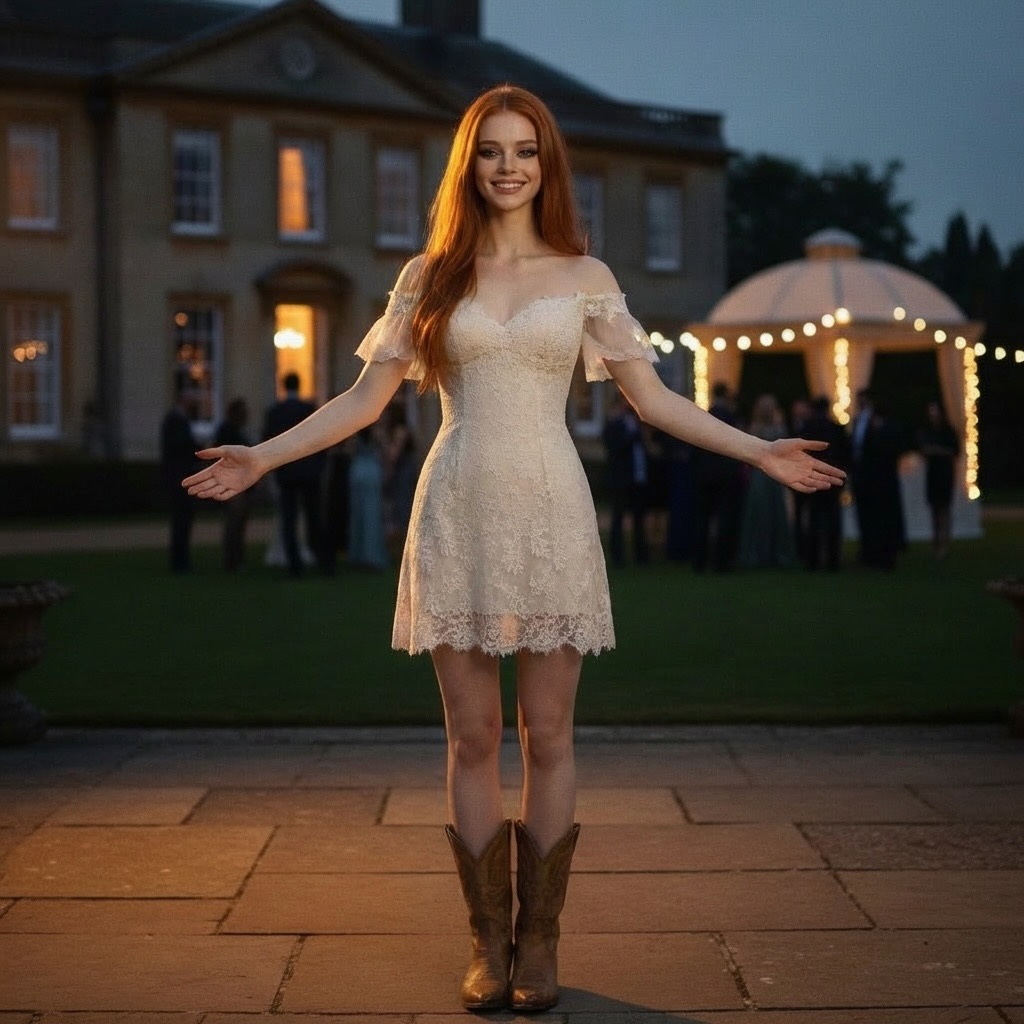
    The house was in the next village, set back behind an avenue of ancient beeches, its stone facade glowing in the sunset like it had its own source of light. The lawn was already a ruin—cars parked at wild angles, shoes lost in the borders, the air above it vibrating with the static of voices and distant, urgent music.

    Sarah met her at the gate, hair newly copper and eyes rimmed with kohl. She wore a vintage slip dress, bare-legged, with cowboy boots that made her two inches taller and three times as visible.

    “You look like a cultist,” Julia said, admiring the effect.

    Sarah grinned. “You look like a narc. Come on, we’ll fix that.”

    In the cloakroom (which was, in fact, the marble-floored entrance hall) Sarah produced a bottle of strawberry gin and forced Julia to drink. It tasted like nail polish remover with a hint of fruit, but Julia drank and coughed and Sarah said, “That’s the spirit.”

    The crowd inside was a version of every party Julia had ever observed, but cranked to a higher resolution: people vibrating with the possibility of freedom, the edges of every conversation blurred with laughter or aggression or a shifting, animal sexuality. There were clumps of old St Teresa’s girls, now with new piercings and more practiced sneers. Boys with stubble and designer trainers and the glazed, invincible confidence of the locally rich. Julia recognized faces from school, but the context was so different she felt unmoored.

    She stuck close to Sarah, who moved through the party like a comet—picking up drinks, collecting admirers, scattering her light but never quite landing anywhere. She introduced Julia to people, often with an exaggeration: “This is my cousin, she’s scary clever. Can hack your phone just by looking at it.” Or, “Jules can drink anyone under the table.” The legend grew with each retelling.

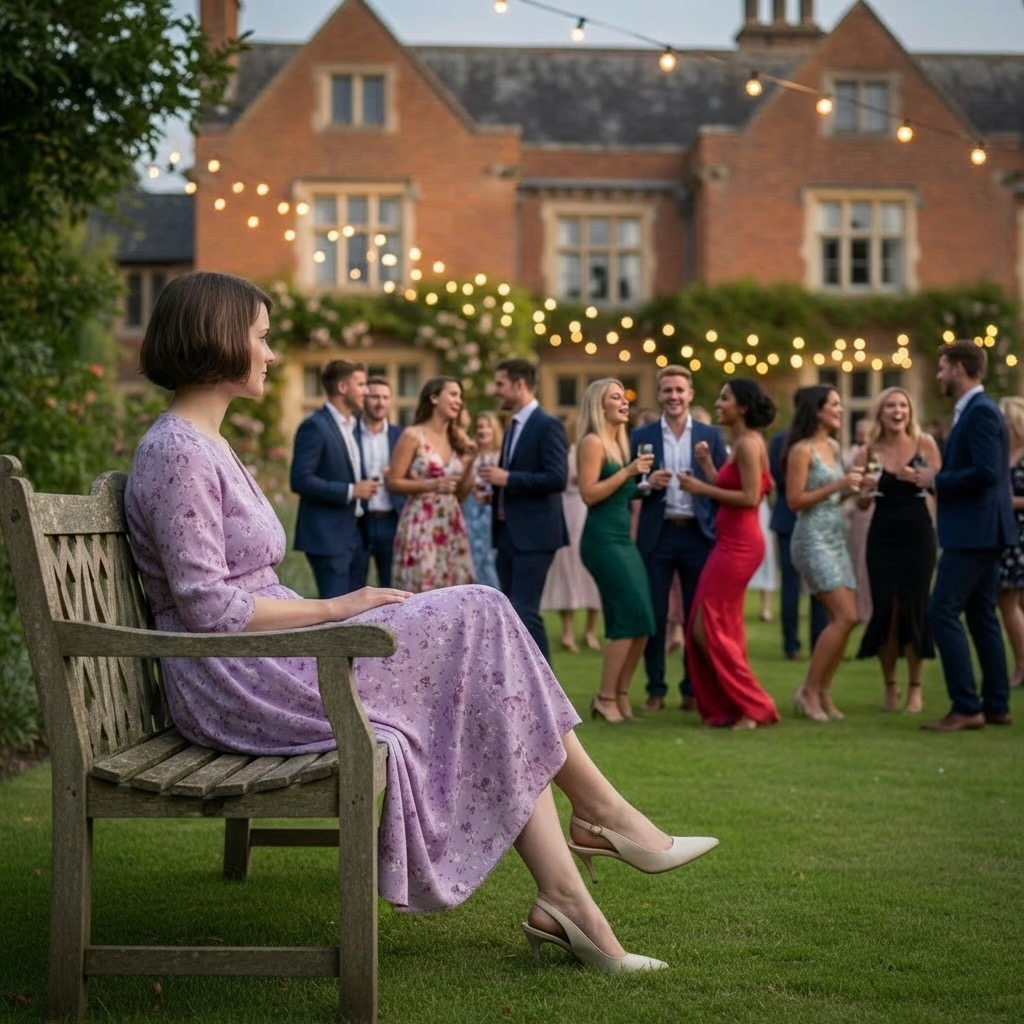
    At some point, Julia lost track of Sarah. She found herself on a bench looking over the the back terrace, which had been converted into a kind of open-air lounge: candles everywhere, the reek of weed mingling with smoke from the fire pit, couples pressed together on the stone balustrade. She watched the crowd, cataloguing: who was pairing off, who was being left behind. There were deals being made, alliances formed and broken in the span of a song. Julia moved to an unoccupied bench, nursed her drink, letting the warmth settle, and wondered if this was what adulthood felt like—no rules, only the momentum of desire.

    A commotion at the edge of the garden caught her attention. Two men were arguing: one was a bearded giant in a rugby shirt, the other wore a smart dinner suit and the smug smile of someone who’d already won the fight. The crowd parted as the latter man approached, shaking his head and laughing, holding a drink aloft in a parody of a toast.

    He was older—mid-thirties, maybe—and exuded a practiced, almost theatrical confidence. Julia recognized him from local gossip: Miller, the construction boss who’d been on the front page of the paper for building a new row of eco-houses in the valley. He was, as Charlotte had once described him, “one of those men who enters a room as if he owns the air in it.”

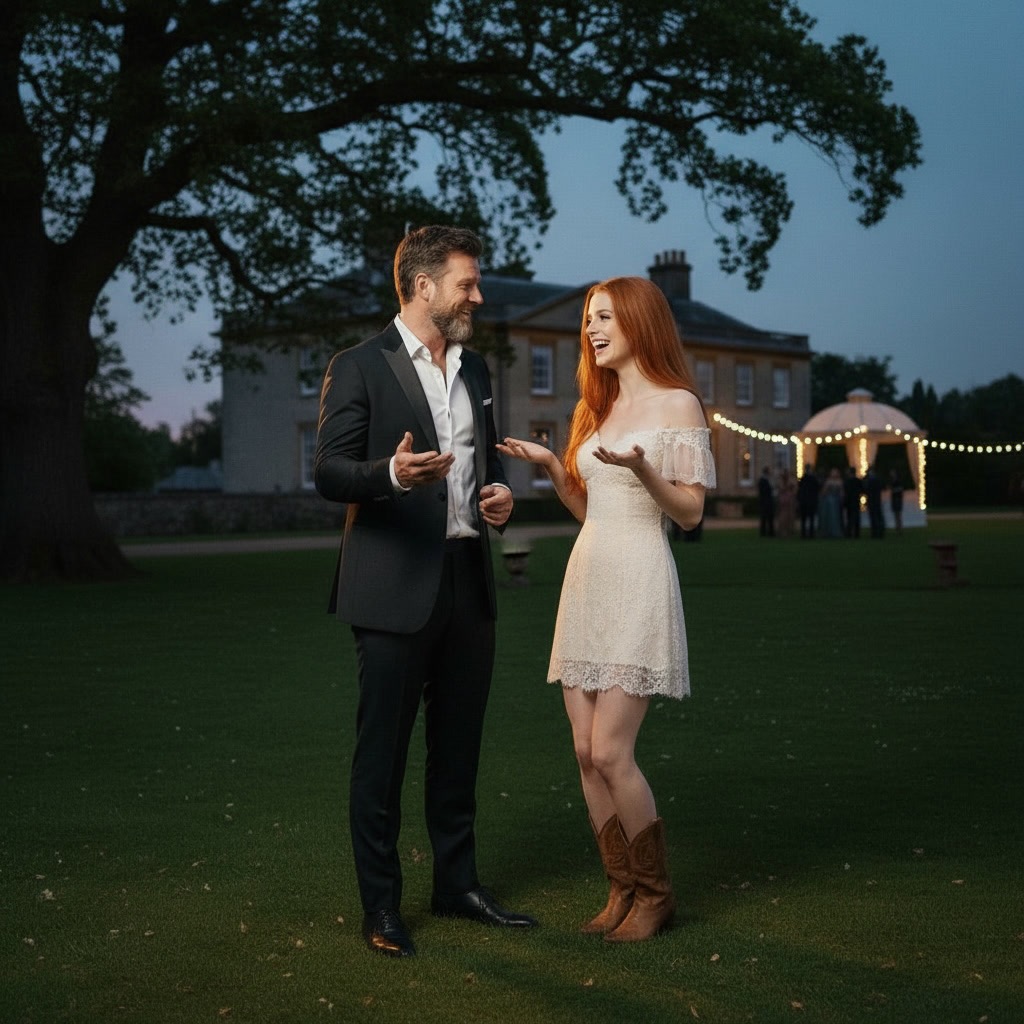
    He spotted Sarah across the lawn and beelined toward her. Julia watched the encounter: Miller leaned in, said something low, and Sarah laughed, not with delight but with the practiced ease of someone who knew how to handle attention. He offered her his drink, which she accepted, and then he placed his hand lightly on her back—territorial, but not yet presumptive.

    The dynamic was instantly clear: Sarah as the prize, Miller as the hunter. Julia watched the patterns shift around them, the way other women marked the interaction with narrowed eyes, the way men recalibrated their own approach. It was like watching a chess match unfold at triple speed.

    A girl in a feathered minidress slid next to Julia, whispering, “He’s fucking relentless, isn’t he?”

    Julia smiled. “Does he always get what he wants?”

    The girl shrugged. “Most of the time. Don’t think Saz will let him, though. She’s got more sense.”

    Julia wasn’t so sure. She watched them as they drew closer and indulged in some selfies

    Later, inside, Julia found herself in the library, the only quiet room in the house. She sat on the velvet window seat and let the pulse of the party fade to a distant vibration. She thought about Sarah, and about Miller, and about the world of adult games she was now expected to navigate.

    A couple stumbled in, giggling, and then, realizing Julia was there, retreated without a word.

    She finished her drink and stood, her head swimming but her perception sharper than ever.

    In the hall, she nearly collided with Sarah, who was flushed and a little unsteady.

    “Having fun?” Julia asked.

    “God, yes,” Sarah said, but her smile didn’t quite stick. “He’s a bit intense, though.”

    “You can always leave,” Julia offered.

    Sarah shook her head. “He’s giving me a lift home. Anyway, I can handle myself.”

    Julia believed her, but still felt the undertow of unease.

    They left together, arms linked for support, and waited in the gravel drive as Miller fetched his car. It was a new Range Rover, windows tinted, leather seats still with the dealership sheen. He opened the door for Sarah with a flourish.

    “You’re both welcome,” he said, looking Julia up and down with a frankness that was almost a challenge.

    “I’ll walk,” Julia said, polite but firm.

    Miller shrugged, as if to say, your loss, and the car pulled away in a spray of loose stones.

    Julia watched the taillights disappear, then set off down the lane, the night air bracing against her face.

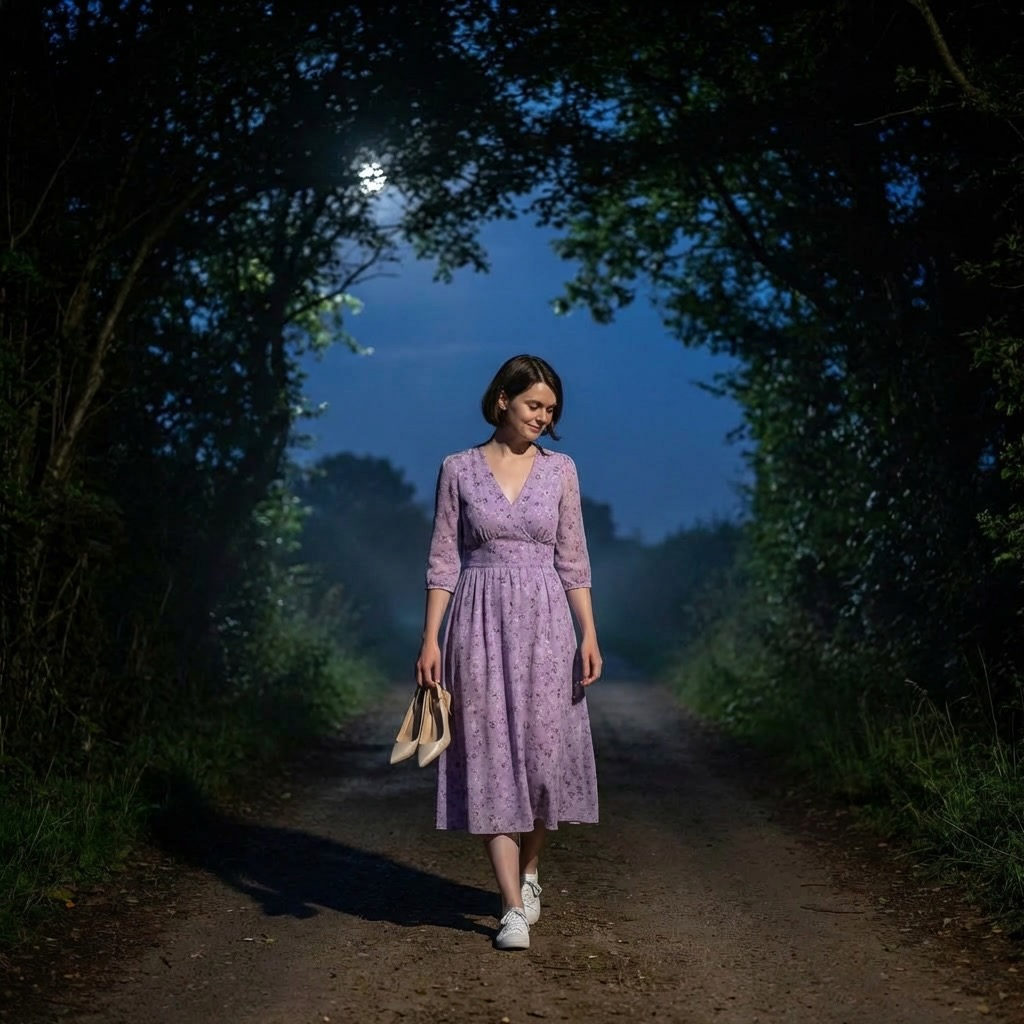
    The path home was longer than she remembered. Alone under the cathedral arch of trees, she replayed the night’s events, analyzing every word, every gesture. The world was full of patterns, but some were harder to see until it was too late.

    When she reached Hillside Haven, the house was dark except for her mother’s study, where a thin beam of light bled under the door.

    Julia tiptoed past, up to her room, and lay on her bed fully clothed.

    She didn’t sleep.

    Instead, she mapped out, in perfect detail, the entire evening: the faces, the voices, the way desire and danger could look so alike from a distance.

    She made a note to watch Miller. Closely.

    Not for herself.

    But for Sarah.

  • 20170210 In touch

    20170210 In touch

    This entry is part 15 of 17 in the series Journey to Linger

    By the first week of January, the Christmas chill had been replaced by a syrupy, low light that seeped into the corridors of St Teresa’s and made the girls look jaundiced. Julia arrived back at school with her hair still carrying a faint whiff of woodsmoke, and a secret satisfaction at having outlasted another holiday without drama.

    The final two terms unspooled with the mechanical efficiency of a well-oiled clock: revision periods, mock exams, the slow gravitational collapse of friendships into study alliances. Julia’s reputation as “the quietly lethal one” was secure, her grades unimpeachable, her social standing—by design—neither high nor low but untouchable. She moved through the world like a shark: always forward, always watching.

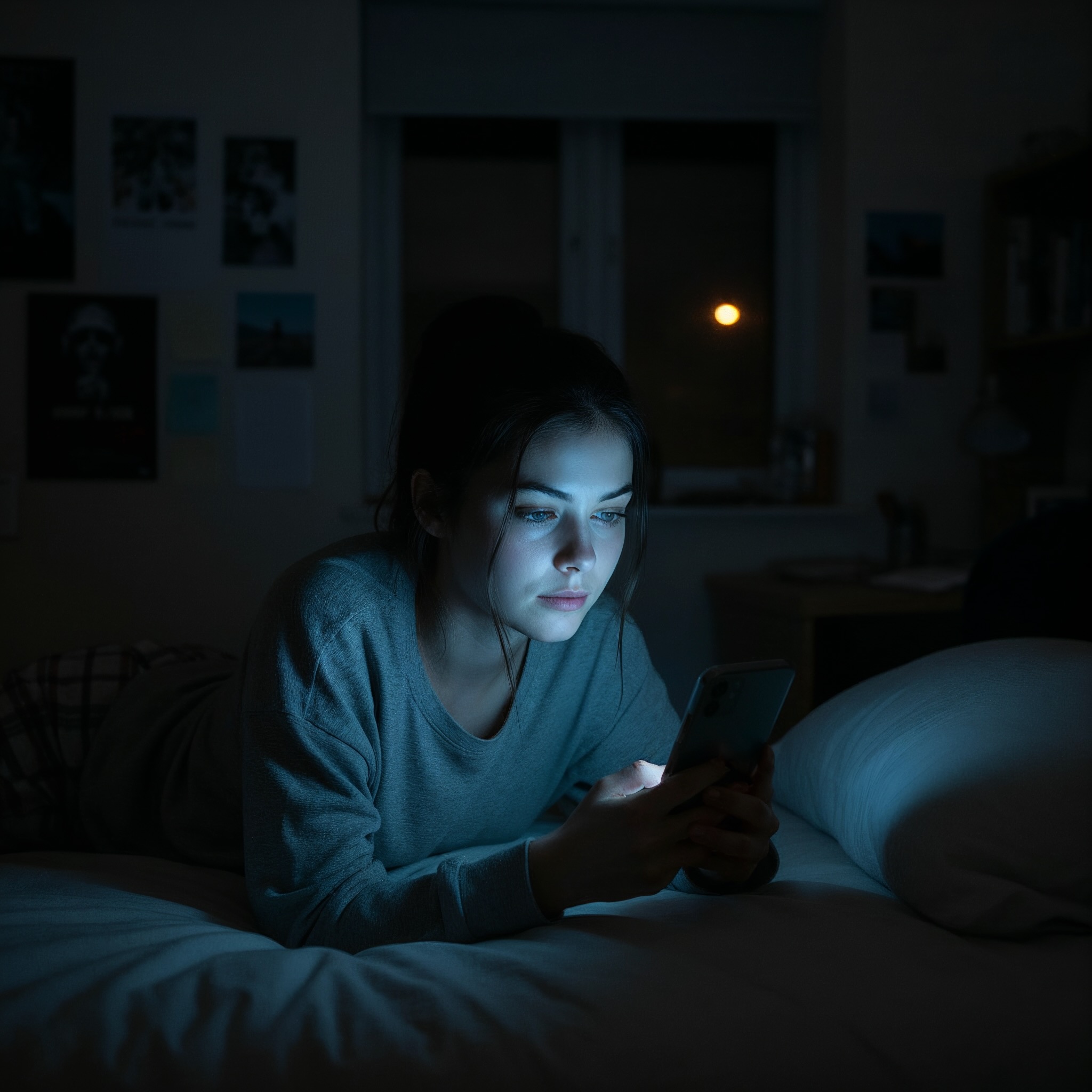
    But every night, after prep and shower and lights-out, she’d lie on her bunk with her phone beneath the pillow, waiting for the familiar ping of a message from Sarah.

    At first the updates came in bursts: blurry selfies from pub toilets, voice notes full of overlapping laughter and scandal, the occasional unsolicited horse video (“He’s eating his own shit, look at this legend”). Sarah’s world was one of chaotic abundance—drinks, men, drama—each episode told with the hyperbolic flair of a street preacher or a first-year drama student. There were affairs with chefs and night-time rides on the Mynd, a saga about a tattooed DJ who crashed a quad bike into a sheep and, unforgettably, a disastrous attempt at “adult speed dating” at the Rose and Crown in Ludlow. Not to mention skinny-dipping in a pool in Snowdonia.

    Julia replied with a studied minimalism: “That’s mental,” “Only you,” “Let me know when you’re famous.” She never offered details of her own days, never mentioned the hidden worlds behind her facade, the patterns she saw in other girls’ self-destruction. When Sarah pressed—“You seeing anyone?” “Bet you’re breaking hearts over there”—Julia always demurred, painting her life as an endless loop of homework and library shifts, a monastic existence that was both shield and sieve.

    Sometimes, in the hush of the dorm, she’d scroll back through their messages, analyzing Sarah’s syntax for shifts in mood. On nights when the updates went silent, Julia found herself oddly tense, as if she’d misplaced something valuable and couldn’t remember where to start looking.

    The girls at St Teresa’s noticed her change, of course. She grew even more withdrawn, her smiles rarer, her habit of disappearing between lessons more pronounced. Only Helena dared comment: “You’re like a nun with a secret, you know that?”

    “Maybe I am,” Julia said, not unkindly.

    She watched the world move on. Friends fell out, got back together, plotted their universities and gap years. Some girls imploded from the pressure, others frayed slowly at the edges. Julia let it all flow past, her real life reserved for the small rectangle of light that connected her, every night, to Sarah’s.

    She knew the time would come when she’d have to choose a story to tell about herself.

    But for now, the duality suited her.

    Let them think she was invisible.

    That was always where the real power lay.

  • 20180107  Cousin Sarah

    20180107 Cousin Sarah

    This entry is part 14 of 17 in the series Journey to Linger

    The last Sunday of the holiday break arrived in a spasm of frost, the world so white and numb that every boot print was a crisp fossil in the garden’s skin. Julia came downstairs to find her mother in the kitchen, standing silent at the back door, watching smoke from her own breath curl against the pane. She wore her old university hoodie and the expression of a woman already grieving the return to routine.

    “You’re up early,” Charlotte said, voice barely above the hum of the radiators.

    “Couldn’t sleep,” Julia said, which was true in the narrowest sense; she’d lain awake most of the night, scrolling through chat logs and news, waiting for the first stir of light.

    They sat opposite each other in the breakfast room, each with a mug of instant, the lines of the day mapped out in silence. It was the same kitchen Julia had grown up in, but the house felt increasingly like a set, the soft close of cupboard doors, the faint tick of the freezer, all rehearsed and hollow.

    At half past nine, the phone rang.

    Charlotte answered, and in the span of a single syllable—her voice, suddenly charged—Julia knew it was Sarah.

    She’d seen her cousin last Christmas, though they’d grown up nearly as sisters: Sarah three years older, incandescently alive, every hair color on the wheel, every piece of clothing a dare. Even now, Julia could recall the shimmer of her green biker jacket, the rings she wore stacked on every finger, the way she once burst into a funeral with a bouquet of wildflowers and made the widow laugh until she cried.

    “Are you coming or not?” Sarah’s voice on the line, a command even when asking a favor.

    Julia took the receiver. “Where?”

    “Stables, then brunch at the King’s Head. Wear something you don’t mind wrecking. But bring something to glam up with for the pub”

    She did.

    *

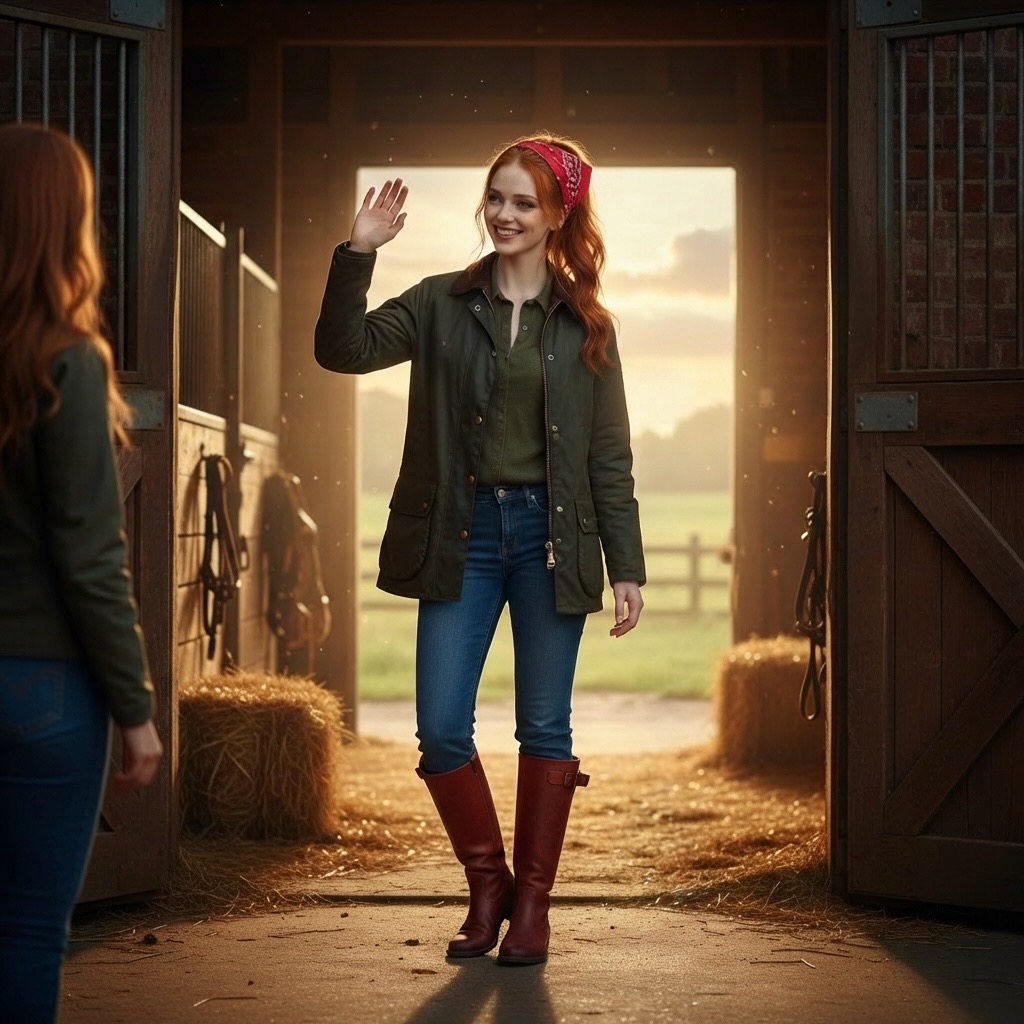
    The yard was a patchwork of churned mud and hoarfrost, horses steaming in their stalls and the stable hands moving with quick, efficient disinterest. Sarah was easy to find, even among the chaos: her signature red boots, hair twisted up in a bandana, a Barbour jacket that had survived at least two generations and looked it.

    She waved Julia over with a pitchfork.

    “Thought you’d ghosted,” Sarah said. Her tone was sharp but affectionate, like a cat that resented being left outside.

    “Didn’t sleep,” Julia repeated, blinking in the cold.

    “Welcome to the club.” Sarah set down the fork, came out into the yard and gave Julia a fierce, two-armed hug, nearly lifting her off the ground.

    She smelled of hay, sweat, and that sweet, animal tang of horse. “You look taller. Or is that just the malnutrition?”

    “Both,” Julia said. “I’m optimizing for minimal drag.”

    “God, you’re so fucking weird,” Sarah said, but she laughed, and the laughter was like stepping into a warm room.

    They set to work on the morning chores: mucking out stalls, refilling water, sweeping the endless silt that seemed to regenerate by itself. Sarah moved with the restless, unpredictable energy of someone who’d never learned to slow down. She recounted the stables gossip as they worked—the owner’s wife was sleeping with the feed rep, one of the ponies had a habit of unscrewing its own gate, the farrier was probably a cokehead but at least he was punctual.

    Julia listened, letting the cadence of Sarah’s voice override her own internal static. She didn’t contribute much, but Sarah didn’t seem to mind. When they finished, Sarah led her into the tack room, which was warmer, lined with drying saddle pads and dust motes glowing in the strips of sunlight.

    “So,” Sarah said, perching on a crate and lighting an illicit cigarette, “you seeing anyone?”

    Julia snorted. “Not really my thing.”

    “Bullshit,” Sarah said, exhaling blue smoke through her nose. “You just haven’t met anyone worth your time.”

    Julia shrugged. “It’s a time management issue.”

    Sarah grinned. “You know, when I was your age, I thought I’d have everything figured out by now. Instead I work here, drink too much, and go home to the same freezing flat every night.”

    “It could be worse,” Julia said.

    “Oh, it is,” Sarah replied. “But I’ve stopped fighting it. You should try it. Stop worrying what everyone thinks.” She stubbed the cigarette into a mug and stretched, catlike. “You want to go for a ride?”

    “I don’t have any kit,” Julia said, stalling, but Sarah was already rifling through the locker.

    “Borrow mine. You’re lighter than me, you’ll probably float away.”

    Fifteen minutes later, they were mounted and moving up the bridle path, the horses snorting clouds into the air. The world looked different from up here: the fields a patchwork of shadow and hard light, the hedges bristling with frost.

    They rode in silence for a while, the only sound the crunch of hooves on frozen grass and the wet click of a bit. At the top of the hill, Sarah drew up, looking out over the sweep of the valley.

    “Sometimes,” she said, “I think I could just keep going. Ride until there’s no more roads. Just forests, hills, and nobody else.”

    Julia pictured it: Sarah in exile, wild and sunburned, living on berries and horse sense. She wondered if, given the chance, she’d do the same. “What about your horse?” she said.

    “Borrowed,” Sarah admitted. “Like everything else.”

    Julia wasn’t sure if she meant the horse, the jacket, or something less tangible. She said nothing, and Sarah didn’t seem to need a reply.

    On the way back, Sarah’s phone pinged three times. Each time she checked it with a brief frown, the light in her face flickering.

    At the pub, Sarah went straight for the bar, ordered two pints and a plate of chips. She fielded two more texts while Julia tried to warm herself by the radiator, and when she finally sat down, her eyes were bright but her mood had shifted.

    “Another disaster,” Sarah said, by way of explanation. “Remember Tom?”

    “The one who dropped out of Sixth Form? Drove a Nissan with purple underlights?”

    Sarah grinned, but the light didn’t quite reach her eyes. “That’s the one. Turns out he’s got another girlfriend, in Oswestry. Didn’t even bother hiding it. I feel like a moron.”

    Julia tried to imagine what comfort would sound like, failed, and settled for, “He’s the idiot.”

    “I know.” Sarah chased her chips with a gulp of beer. “It’s just—I always think this one will be different. Then it’s the same, every time. I should have gone to uni. Or moved to London. Done something other than horses and heartbreak.”

    “You make it sound worse than it is,” Julia said, but Sarah shook her head.

    “No, I’m happy, mostly. I just… I don’t want you to end up like me. Don’t settle, okay? Don’t let them tell you what you should want.”

    “I won’t,” Julia said, which was also true, in the narrowest sense.

    They sat for a while in the hush of the emptying pub, the radiator ticking down, the clouds outside thickening toward snow. Julia finished her pint slowly, savoring the bitterness.

    At the end, Sarah checked her phone again. “I need to get back,” she said, and it sounded less like an apology than a confession.

    They walked out together, boots crunching on the icy steps.

    At the stables, Sarah hugged her again, this time tighter, and whispered, “You’re my favorite, you know.”

    Julia smiled, feeling the weight of it settle somewhere between her ribs.

    After Sarah left, Julia lingered by the field gate, watching the horses for a long time, the air still except for the muted thunder of hooves on frozen ground. She thought about the tunnel, the secret under the earth, the things her mother had tried to pass down. She wondered if Sarah would understand, if anyone would.

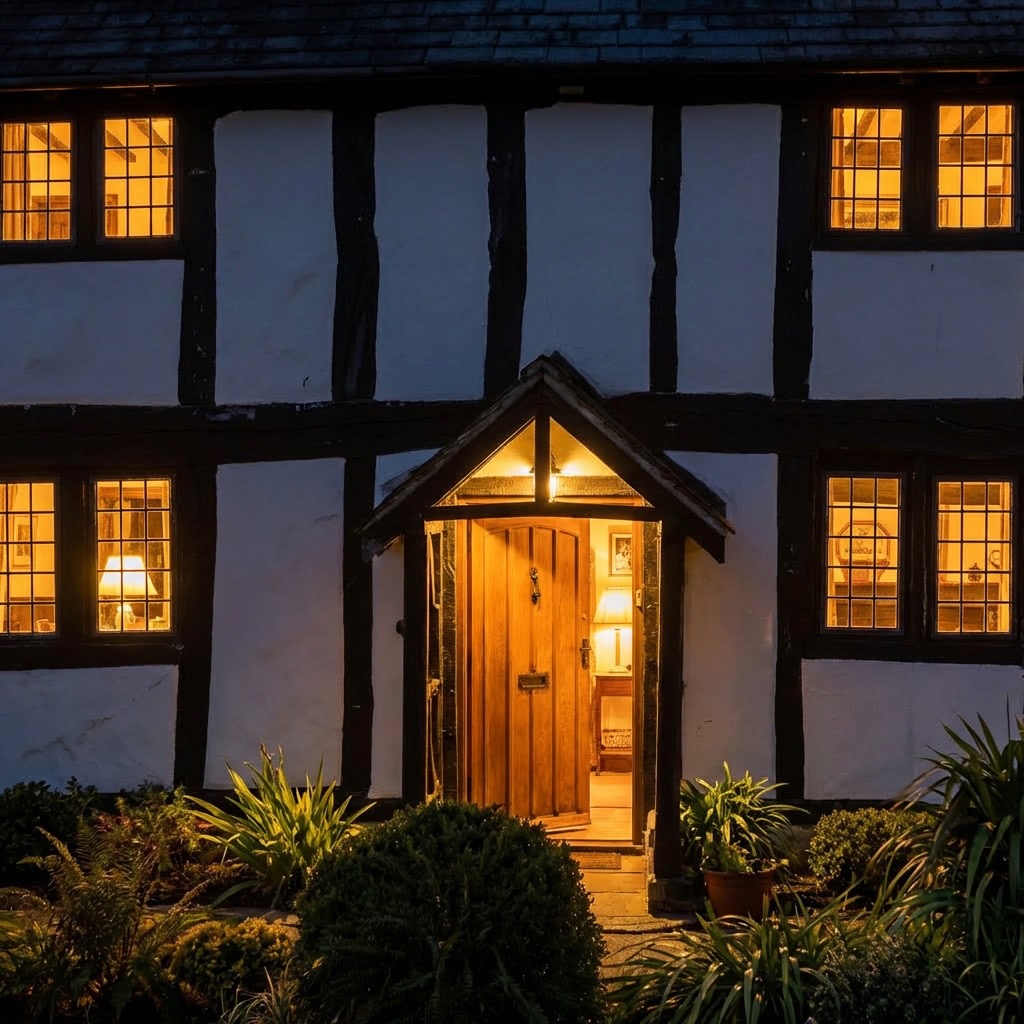
    When she finally walked home, it was nearly dark, the windows of the house lit up like lanterns against the cold.

    Inside, the rooms were empty—her mother had gone to bed early. Julia sat alone in the kitchen, hands wrapped around a mug, and let herself drift, just for a moment, in the memory of Sarah’s laugh, the rhythm of hooves on frost, the knowledge that, for now, she was exactly where she wanted to be.