
Sarah

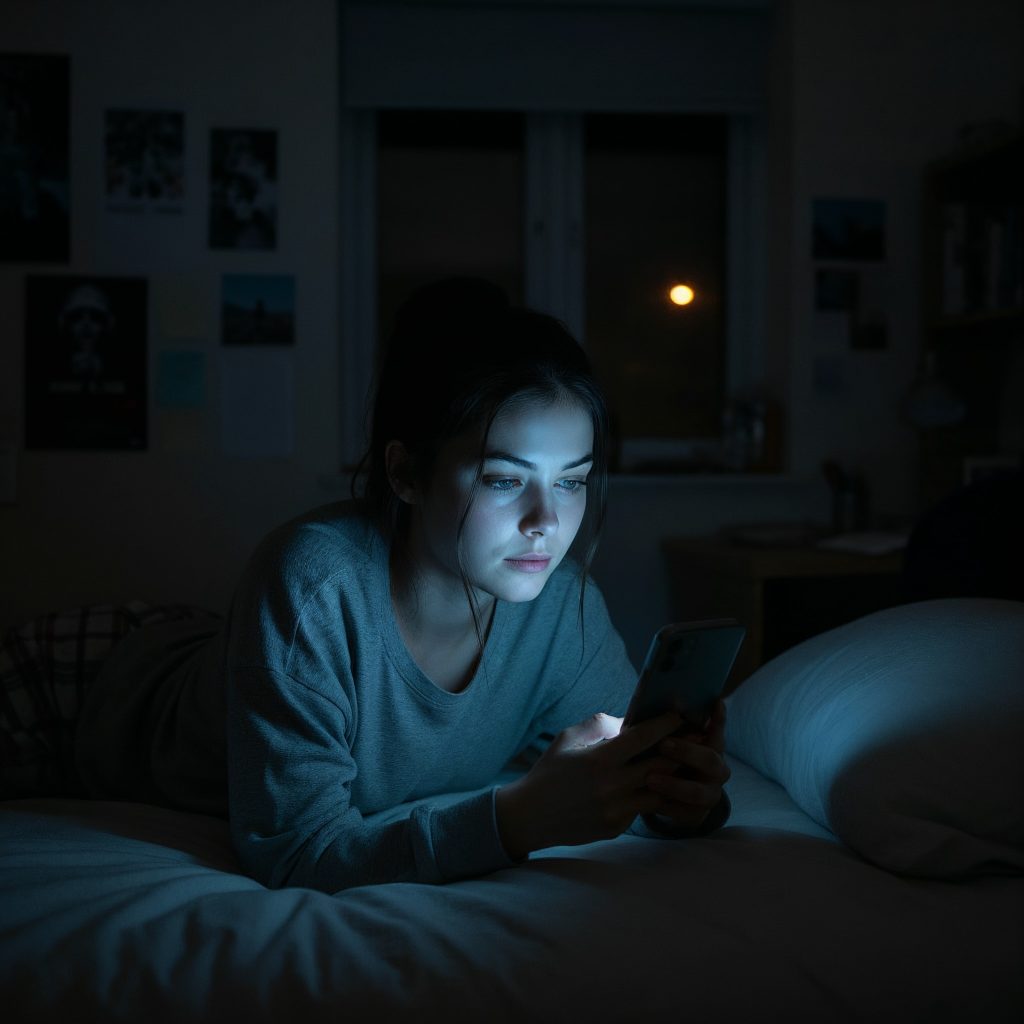

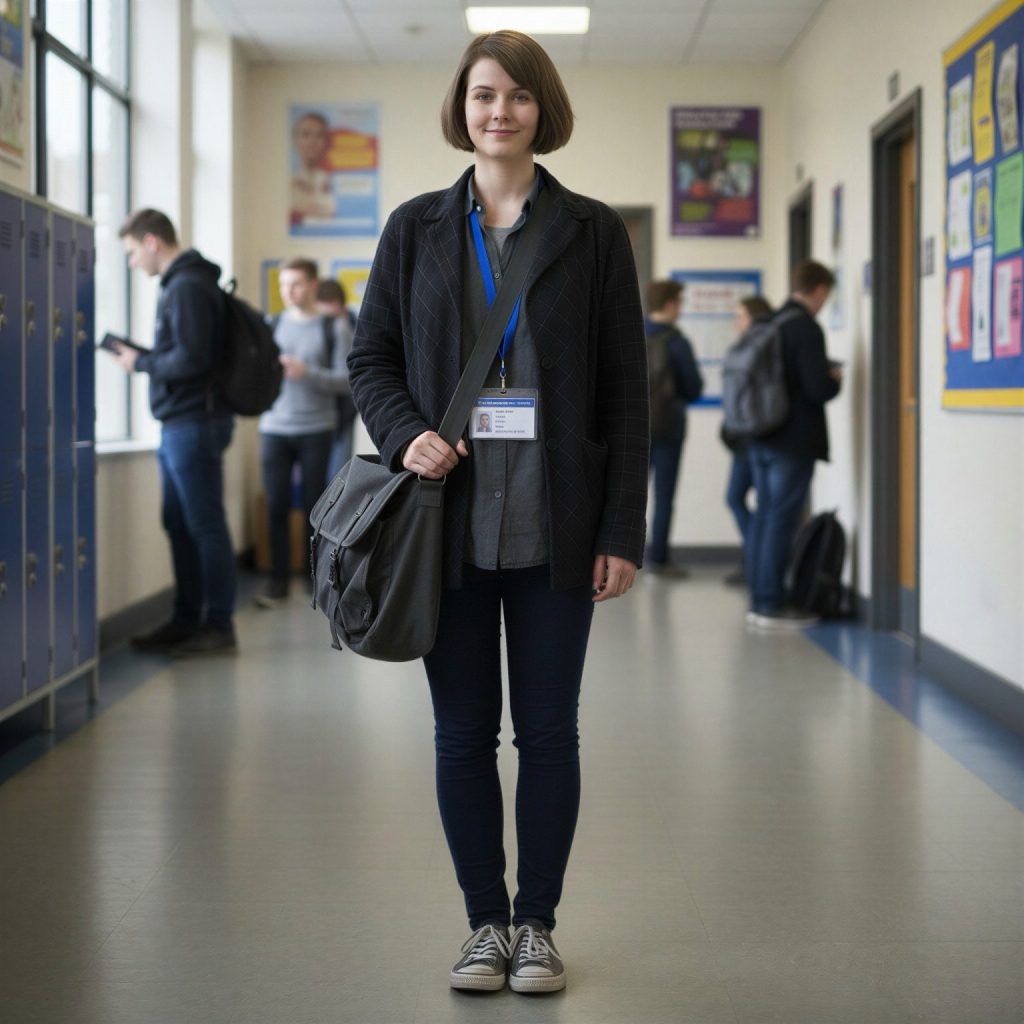
At 2;00 on 5th September, her 17th birthday, Julia stepped into Ludlow College’s psychology corridor and paused. The waxed linoleum gleamed under harsh fluorescent lights, and every footstep echoed like a secret being passed around. A faint tang of cleaning solvent hung in the air, mingling with the low hum of students’ whispered nerves. Julia’s chest loosened for the first time that day; she hadn’t known how heavy her shoulders felt until they dropped.
That morning in Computer Science had felt like trudging through hot sand. She’d sat at a narrow desk while boys nearby tossed “harmless” jokes over their keyboards—snide remarks about girls and coding, each one a tiny spark against the back of her neck. It was made worse when Tom, Sarah’s ex-boyfriend had leaned over her station to “help,” his breath smelling of energy drink, then smirked when she corrected his syntax. She’d stayed polite, biting back a retort, all the while feeling her confidence shrink behind her quiet smile. And he had returned to his friends at the other end of the room with a remark followed by giggles about the “little girl”.

Now, in this hallway outside PSY101, Julia saw instead a scattering of students—flickers of color in hijabs, dreadlocks, and band T-shirts—assembling at the door. The room beyond promised ideas and case studies, not testy group dynamics where she was the lone female. She inhaled again, letting relief bloom in her lungs.
A few feet away, Priya leaned against the wall, one foot pressed flat, the other toes hooked into the baseboard. She wore a loose red shirt and orange skirt that complimented her warm skin. Her hair was pulled back in a long ponytail, and she traced idle circles on her canvas tote. Priya’s eyes lifted when Julia brushed a strand of hair from her forehead—a practiced lift, like she’d been scanning the hallway for someone who looked out of place.
Julia’s grip tightened on her backpack strap. Priya recognized that rigid stance—the defensive crouch of someone who’s been talked over or stared at all morning. Priya’s gaze flickered past politeness to something more subtle: the sharp tension around Julia’s jaw, the quick dart of eyes measuring everyone who passed.
When the lecture room door clicked open, Priya offered a small, encouraging smile. “Is this seat taken?” she asked, nodding toward the empty chair beside her.
Julia slid in and sank onto the cushion, her shoulders finally relaxing. Around them, the projector whirred to life, casting a pale rectangle of light onto the whiteboard. The lecturer’s voice filled the space with stories of experiments and brain scans, but Julia felt something simpler settle in her chest: acceptance.
Julia hesitated a moment at the threshold before taking her place beside Priya, letting the ambient din of students—some still shuffling in, others already whispering across tabletops—wash over her. As she sat, the cushion caved just enough to remind her she was no longer in the glass echo chamber of the computer science lab. She released her breath, only now aware she’d been holding it. The relief was physical, as if her body were finally allowed to uncoil, vertebrae by vertebrae.
The lecture theatre was imperfect: the swing-arm desklets squeaked, and the air was too warm and flecked with dust motes. But Julia felt, for the first time all day, invisibly normal. She watched Priya uncap a pen and write her name in curly script at the top of a fresh notebook page. Their thighs nearly touched. Priya offered a sideways smile, and Julia—surprised by her own boldness—returned it.
The projector stuttered on, flooding the room with the pale blue promise of PowerPoint. The lecturer, a woman with cropped silver hair and a voice that cut clean through the chatter, greeted them with, “Welcome to the study of why we do what we do.” Something about her confidence—her refusal to perform even a millimeter of apology for her presence—anchored Julia. She let herself be drawn in.
The lecture was a primer: classic case studies, hypotheses masquerading as fact, a parade of famous disasters and their psychological postmortems. All the while, Priya’s notes spiraled outward—little arrows, highlighted words, stick figures slumping or erupting with glee. Julia found herself copying the teacher’s words, then drifting into annotation: She remembered the girl who had handed her a birthday card in Year 8, then laughed about it later to her friends; she thought of the way Sarah could make anyone feel seen, even the teachers who hated her. She thought, too, of Miller, and how his manipulation could be so overt and yet so invisible, even to someone as sharp as Sarah.
Partway through, Priya leaned over, whispering, “Some of these experiments are totally made up, you know. The Stanford prison one? The guy basically told the guards to be sadists.”
Julia blinked, then looked closer at the slide. She’d always assumed the studies were sacrosanct—like laws of physics. She smiled. “So it’s all a con?”
Priya’s voice was soft, but the words carried a hidden kernel of glee. “It’s people. Of course it’s a con.”
It was like a secret handshake. Julia let herself laugh, and felt the remaining tension in her chest dissolve into a warm, low hum.
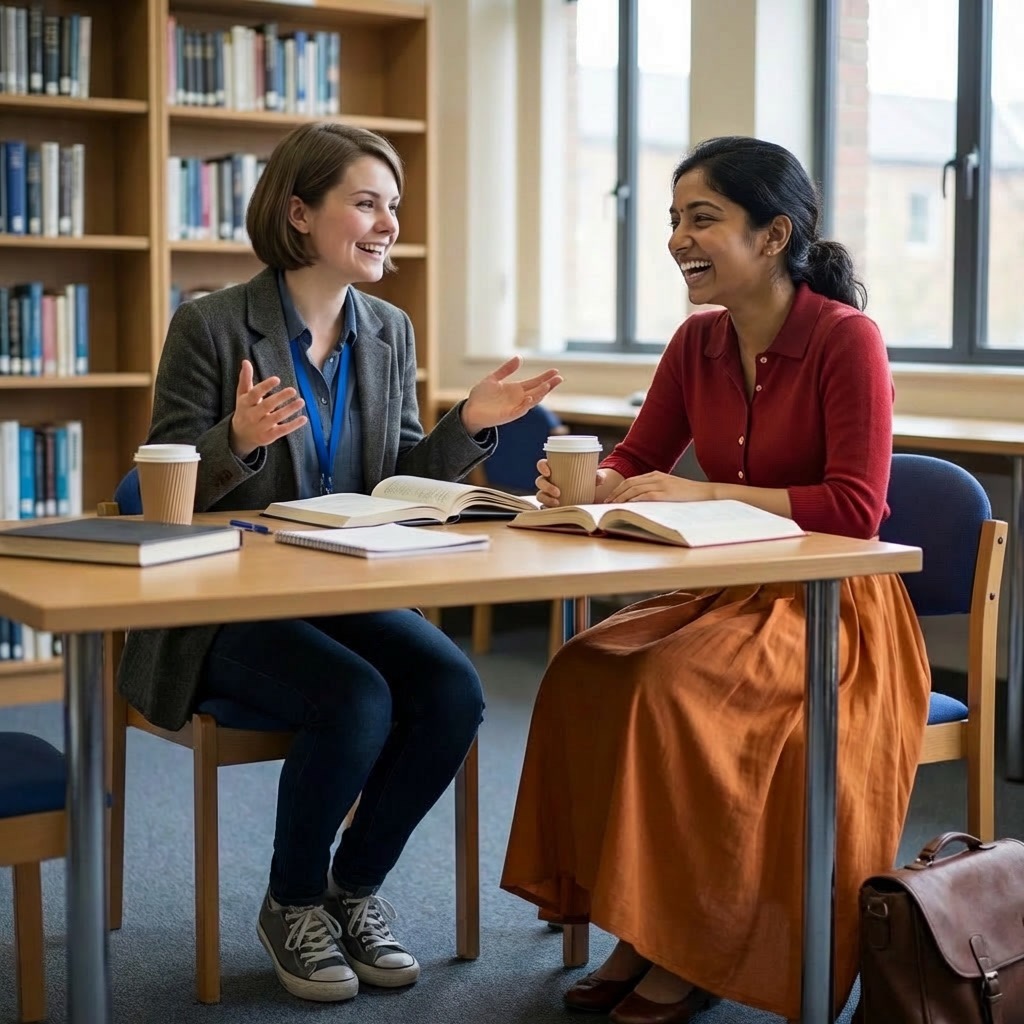
After the lecture, they walked together to the quad. The September rain had paused, leaving the world crisp and glassy. Priya invited her to the student union for chai, and Julia said yes without thinking. Later at a little table in the library, they talked about their A-levels, their families, the weirdness of independence. Priya’s parents had come to England from Bangalore; her mother called every night, sometimes twice. “She thinks I’ll choke on an apple and die alone,” Priya said, biting the string of her teabag. “She’s probably right.”
Julia offered a smile. “You seem pretty self-sufficient.”
Priya shrugged. “You learn to be. Or you don’t survive.”
Julia nodded. She understood that lesson intimately, even if she’d never named it before.
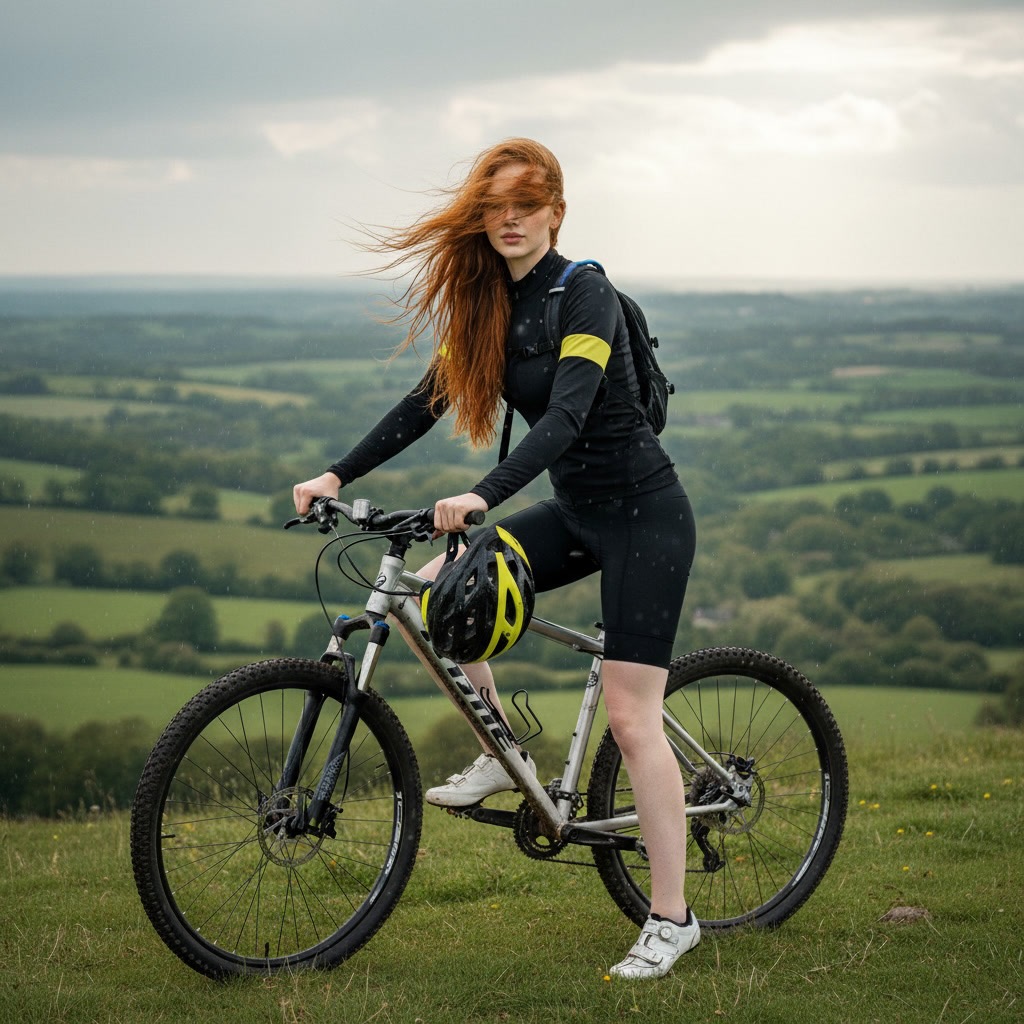
Afterwards, Julia biked home, the sky already darkening. She replayed the day in her mind: not the slights or the grating voices, but the kernel of comfort in the lecture hall, the warmth of a friendship that, if not yet real, was at least possible. She imagined what it would be like to belong—fully, and without reservation.
She stood on the pedals and let the hill take her, the cold air breaking against her teeth.
Eleanor’s car was already in the drive when Julia got home. Inside, the hall smelled of Charlotte’s perfume and something baked. “Happy birthday, darling,” Charlotte said, and stepped aside.
Eleanor held out an envelope. On the front, in her grandmother’s careful hand: *Driving Test – Shrewsbury, 25th October.* Inside, a column of lesson dates, three per week, slotted around her college timetable like someone had studied it.
Julia looked up. Eleanor’s expression offered nothing sentimental—just a slight lift of the chin, as if to say, “well, go on then.”
That evening, Julia texted Sarah: *on the road soon. road trip?*
The reply came as a photo: Sarah squinting into bright sun on some beach, Miller’s arm at the edge of the frame. *um YES. we’re going everywhere.*