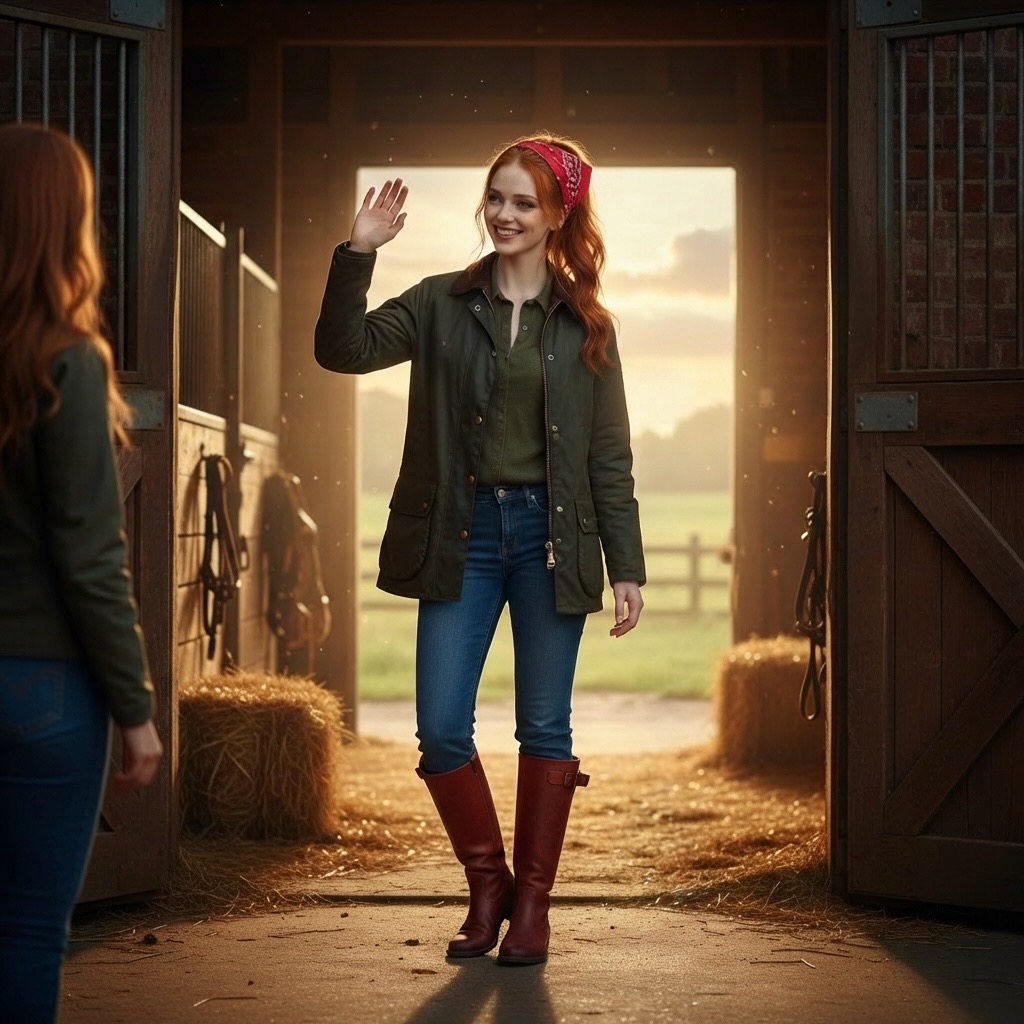
Sarah
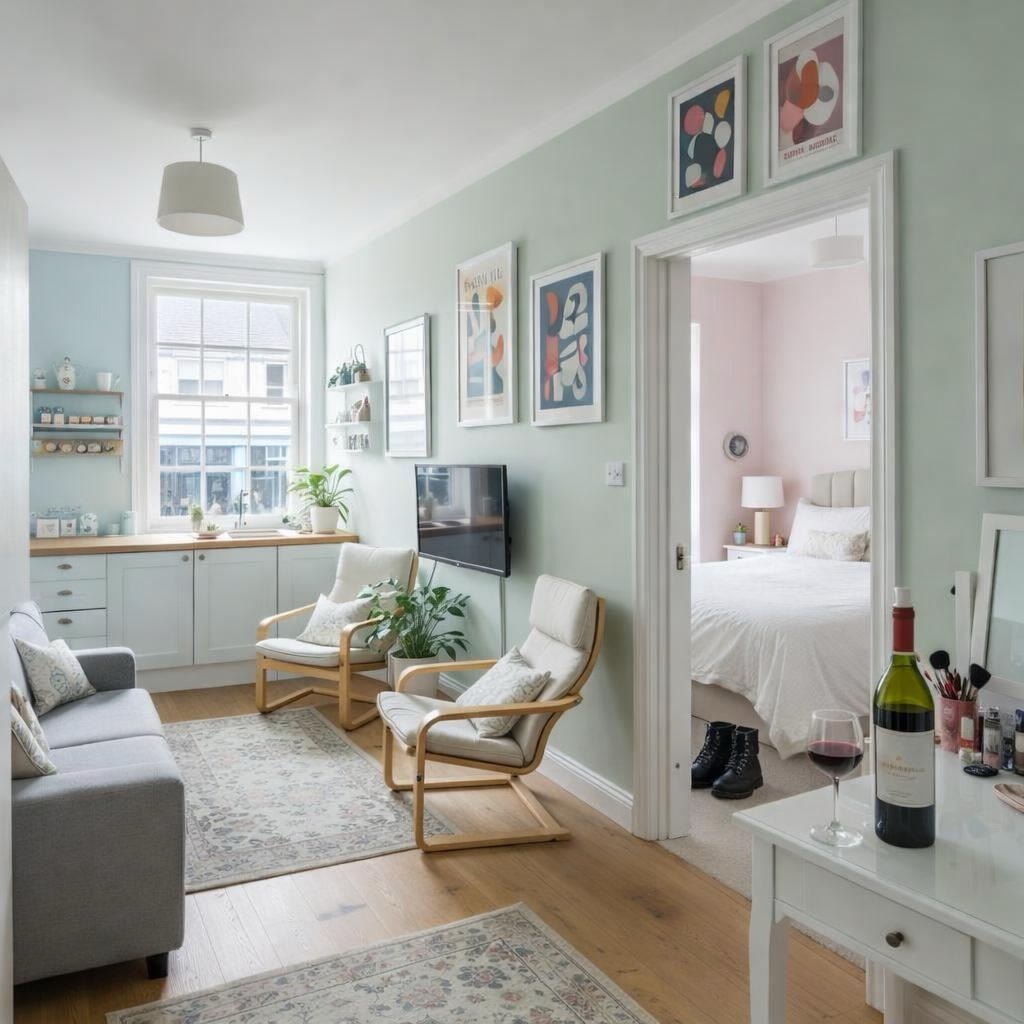

The last Sunday of the holiday break arrived in a spasm of frost, the world so white and numb that every boot print was a crisp fossil in the garden’s skin. Julia came downstairs to find her mother in the kitchen, standing silent at the back door, watching smoke from her own breath curl against the pane. She wore her old university hoodie and the expression of a woman already grieving the return to routine.
“You’re up early,” Charlotte said, voice barely above the hum of the radiators.
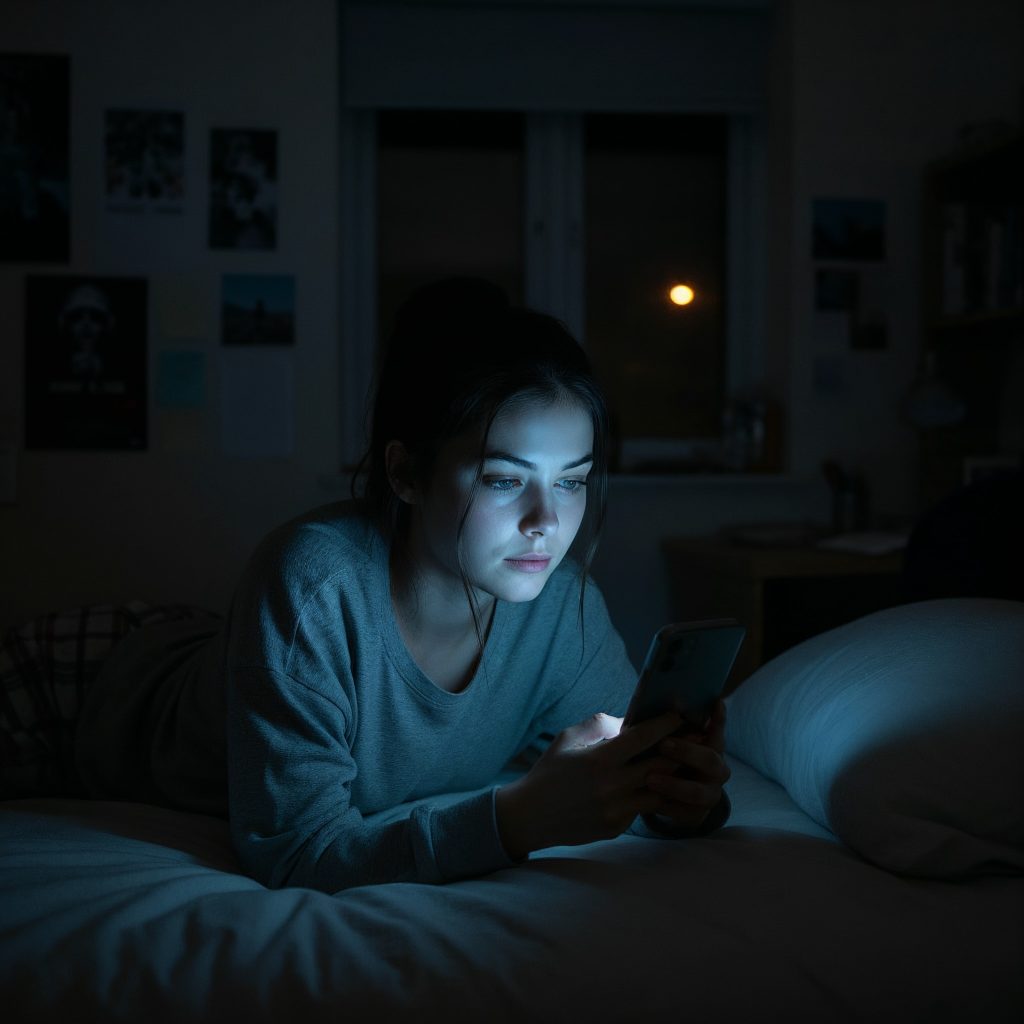
“Couldn’t sleep,” Julia said, which was true in the narrowest sense; she’d lain awake most of the night, scrolling through chat logs and news, waiting for the first stir of light.
They sat opposite each other in the breakfast room, each with a mug of instant, the lines of the day mapped out in silence. It was the same kitchen Julia had grown up in, but the house felt increasingly like a set, the soft close of cupboard doors, the faint tick of the freezer, all rehearsed and hollow.
At half past nine, the phone rang.
Charlotte answered, and in the span of a single syllable—her voice, suddenly charged—Julia knew it was Sarah.
She’d seen her cousin last Christmas, though they’d grown up nearly as sisters: Sarah three years older, incandescently alive, every hair color on the wheel, every piece of clothing a dare. Even now, Julia could recall the shimmer of her green biker jacket, the rings she wore stacked on every finger, the way she once burst into a funeral with a bouquet of wildflowers and made the widow laugh until she cried.
“Are you coming or not?” Sarah’s voice on the line, a command even when asking a favor.
Julia took the receiver. “Where?”
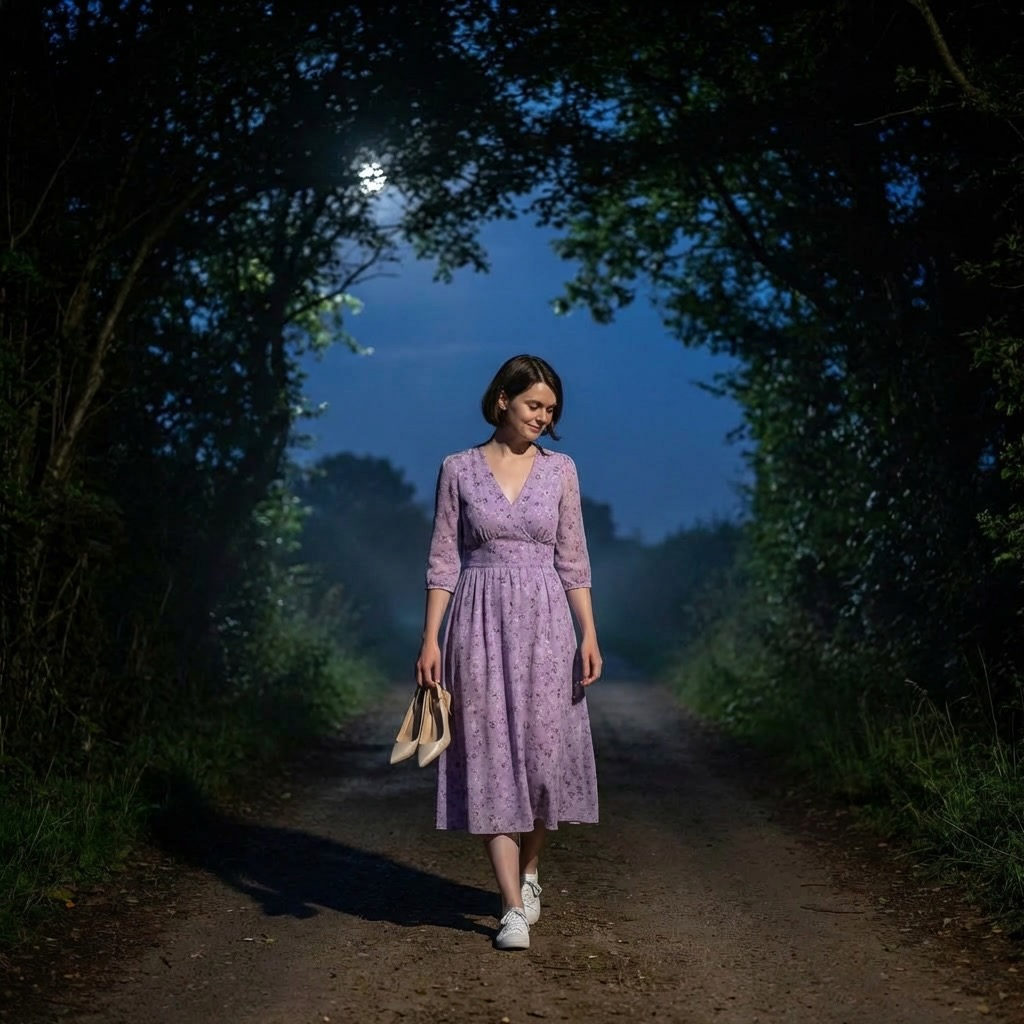
“Stables, then brunch at the King’s Head. Wear something you don’t mind wrecking. But bring something to glam up with for the pub”
She did.
*
The yard was a patchwork of churned mud and hoarfrost, horses steaming in their stalls and the stable hands moving with quick, efficient disinterest. Sarah was easy to find, even among the chaos: her signature red boots, hair twisted up in a bandana, a Barbour jacket that had survived at least two generations and looked it.
She waved Julia over with a pitchfork.
“Thought you’d ghosted,” Sarah said. Her tone was sharp but affectionate, like a cat that resented being left outside.
“Didn’t sleep,” Julia repeated, blinking in the cold.
“Welcome to the club.” Sarah set down the fork, came out into the yard and gave Julia a fierce, two-armed hug, nearly lifting her off the ground.
She smelled of hay, sweat, and that sweet, animal tang of horse. “You look taller. Or is that just the malnutrition?”
“Both,” Julia said. “I’m optimizing for minimal drag.”
“God, you’re so fucking weird,” Sarah said, but she laughed, and the laughter was like stepping into a warm room.
They set to work on the morning chores: mucking out stalls, refilling water, sweeping the endless silt that seemed to regenerate by itself. Sarah moved with the restless, unpredictable energy of someone who’d never learned to slow down. She recounted the stables gossip as they worked—the owner’s wife was sleeping with the feed rep, one of the ponies had a habit of unscrewing its own gate, the farrier was probably a cokehead but at least he was punctual.
Julia listened, letting the cadence of Sarah’s voice override her own internal static. She didn’t contribute much, but Sarah didn’t seem to mind. When they finished, Sarah led her into the tack room, which was warmer, lined with drying saddle pads and dust motes glowing in the strips of sunlight.
“So,” Sarah said, perching on a crate and lighting an illicit cigarette, “you seeing anyone?”
Julia snorted. “Not really my thing.”
“Bullshit,” Sarah said, exhaling blue smoke through her nose. “You just haven’t met anyone worth your time.”
Julia shrugged. “It’s a time management issue.”
Sarah grinned. “You know, when I was your age, I thought I’d have everything figured out by now. Instead I work here, drink too much, and go home to the same freezing flat every night.”
“It could be worse,” Julia said.
“Oh, it is,” Sarah replied. “But I’ve stopped fighting it. You should try it. Stop worrying what everyone thinks.” She stubbed the cigarette into a mug and stretched, catlike. “You want to go for a ride?”
“I don’t have any kit,” Julia said, stalling, but Sarah was already rifling through the locker.
“Borrow mine. You’re lighter than me, you’ll probably float away.”
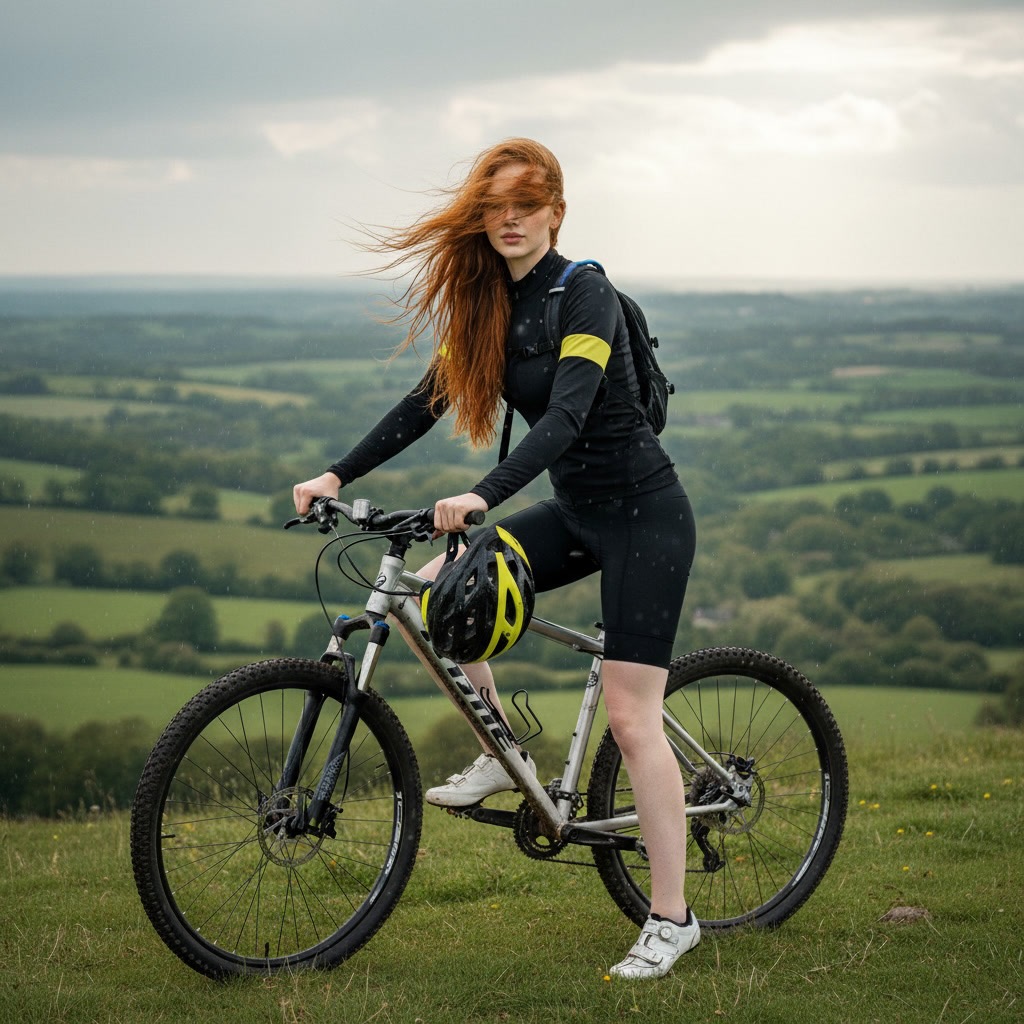
Fifteen minutes later, they were mounted and moving up the bridle path, the horses snorting clouds into the air. The world looked different from up here: the fields a patchwork of shadow and hard light, the hedges bristling with frost.
They rode in silence for a while, the only sound the crunch of hooves on frozen grass and the wet click of a bit. At the top of the hill, Sarah drew up, looking out over the sweep of the valley.
“Sometimes,” she said, “I think I could just keep going. Ride until there’s no more roads. Just forests, hills, and nobody else.”
Julia pictured it: Sarah in exile, wild and sunburned, living on berries and horse sense. She wondered if, given the chance, she’d do the same. “What about your horse?” she said.
“Borrowed,” Sarah admitted. “Like everything else.”
Julia wasn’t sure if she meant the horse, the jacket, or something less tangible. She said nothing, and Sarah didn’t seem to need a reply.
On the way back, Sarah’s phone pinged three times. Each time she checked it with a brief frown, the light in her face flickering.
At the pub, Sarah went straight for the bar, ordered two pints and a plate of chips. She fielded two more texts while Julia tried to warm herself by the radiator, and when she finally sat down, her eyes were bright but her mood had shifted.
“Another disaster,” Sarah said, by way of explanation. “Remember Tom?”
“The one who dropped out of Sixth Form? Drove a Nissan with purple underlights?”
Sarah grinned, but the light didn’t quite reach her eyes. “That’s the one. Turns out he’s got another girlfriend, in Oswestry. Didn’t even bother hiding it. I feel like a moron.”
Julia tried to imagine what comfort would sound like, failed, and settled for, “He’s the idiot.”
“I know.” Sarah chased her chips with a gulp of beer. “It’s just—I always think this one will be different. Then it’s the same, every time. I should have gone to uni. Or moved to London. Done something other than horses and heartbreak.”
“You make it sound worse than it is,” Julia said, but Sarah shook her head.
“No, I’m happy, mostly. I just… I don’t want you to end up like me. Don’t settle, okay? Don’t let them tell you what you should want.”
“I won’t,” Julia said, which was also true, in the narrowest sense.
They sat for a while in the hush of the emptying pub, the radiator ticking down, the clouds outside thickening toward snow. Julia finished her pint slowly, savoring the bitterness.
At the end, Sarah checked her phone again. “I need to get back,” she said, and it sounded less like an apology than a confession.
They walked out together, boots crunching on the icy steps.
At the stables, Sarah hugged her again, this time tighter, and whispered, “You’re my favorite, you know.”
Julia smiled, feeling the weight of it settle somewhere between her ribs.
After Sarah left, Julia lingered by the field gate, watching the horses for a long time, the air still except for the muted thunder of hooves on frozen ground. She thought about the tunnel, the secret under the earth, the things her mother had tried to pass down. She wondered if Sarah would understand, if anyone would.
When she finally walked home, it was nearly dark, the windows of the house lit up like lanterns against the cold.
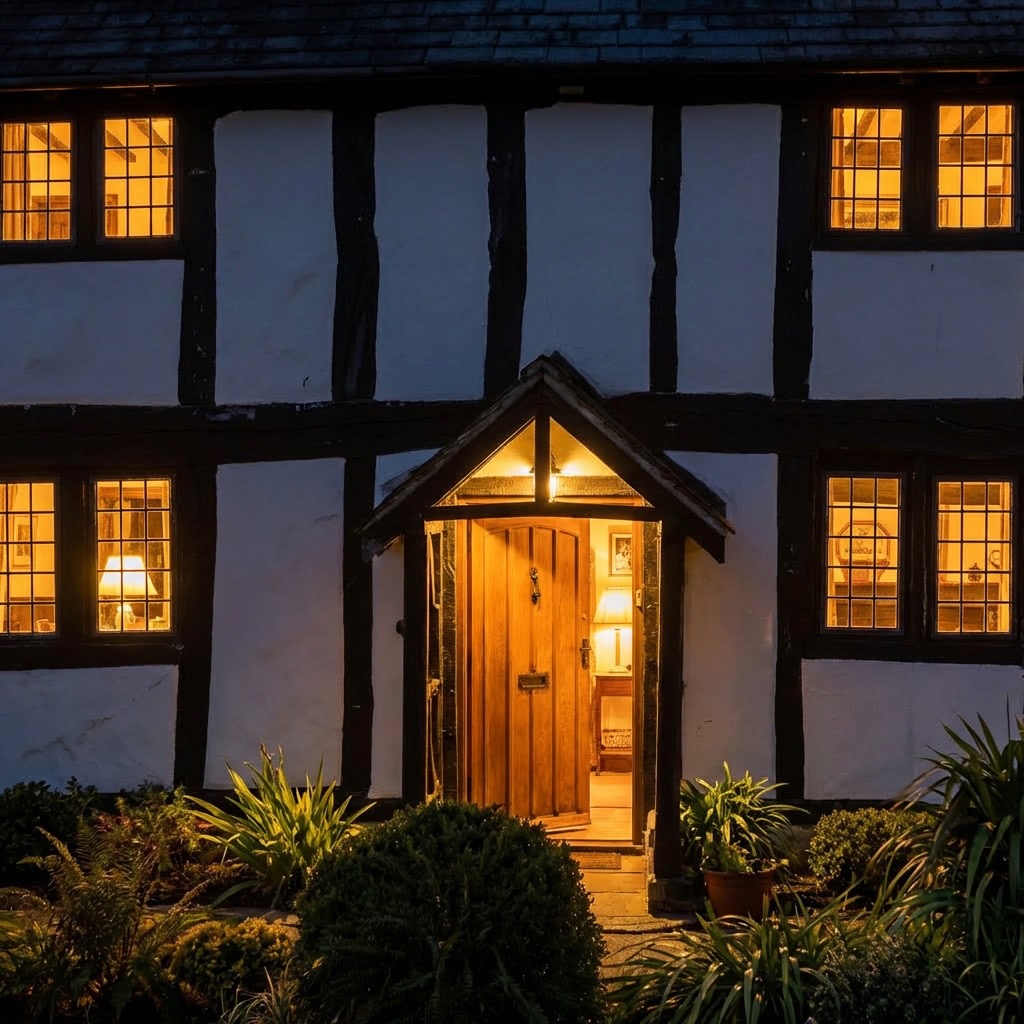
Inside, the rooms were empty—her mother had gone to bed early. Julia sat alone in the kitchen, hands wrapped around a mug, and let herself drift, just for a moment, in the memory of Sarah’s laugh, the rhythm of hooves on frost, the knowledge that, for now, she was exactly where she wanted to be.