
Journey to Linger




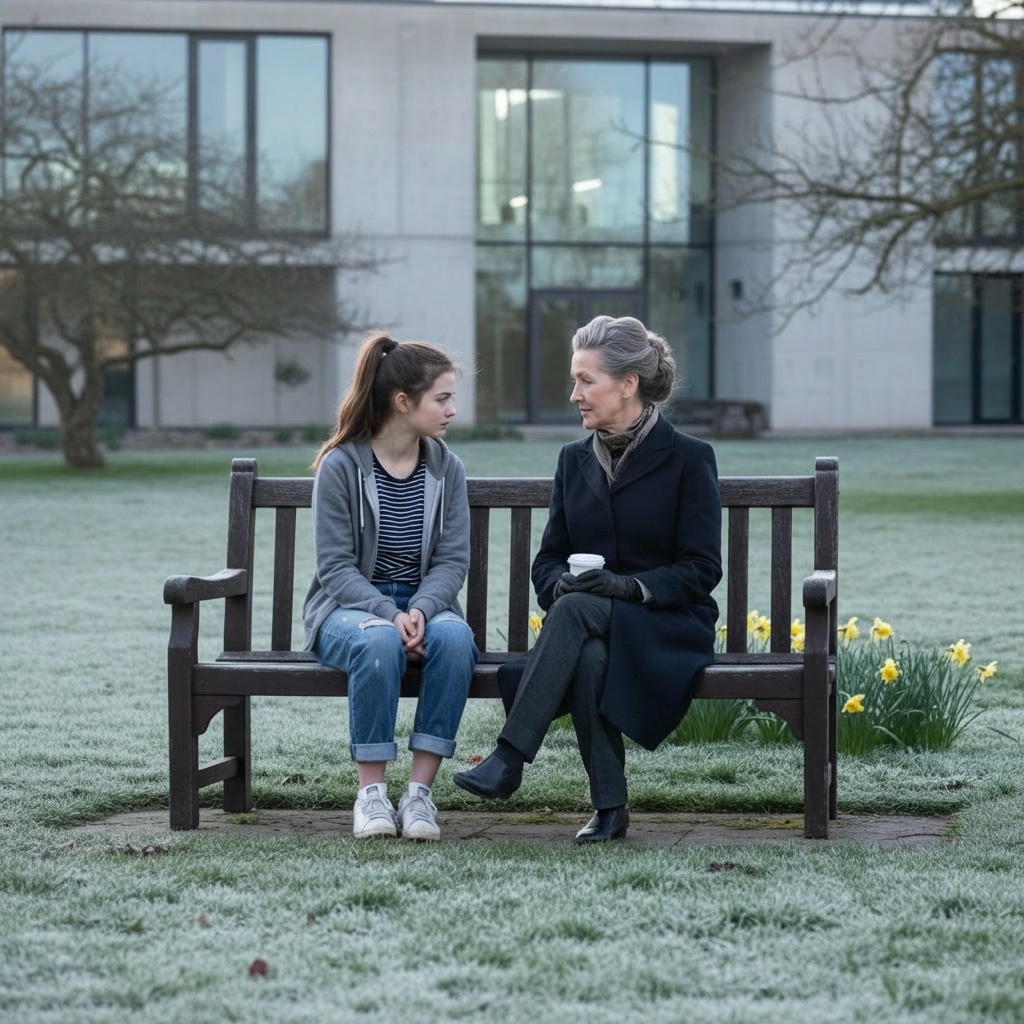








The next morning, Julia sat in the sunroom with a half-finished crossword and a glass of juice, watching the world shift from hoarfrost to mud as the light crept higher on the garden walls. From her seat, she could track her mother’s voice through the house: first a clipped exchange with the cleaner, then a series of bright syllables as Charlotte greeted the day’s first visitor.

It was Mr. Fry, the man who serviced the ancient boiler. He arrived precisely at ten, smelling of cheap tobacco and aftershave, his blue coveralls immaculate for the first ten minutes of any job. Julia had always found him unnerving, partly because of his propensity for making himself at home—sneaking biscuits, sitting in the “good” armchair—and partly because of the way Charlotte handled him. It was never quite the same twice.
She watched her mother lead Mr. Fry through the kitchen, pointing out the new filter she’d installed herself (“It’s supposed to last the season, but I’m unconvinced”), then pivoting the conversation with the grace of a matador. By the time they reached the hallway, Charlotte was reminiscing about her own father’s obsession with maintenance, how he’d once rebuilt a Victorian radiator from first principles.

“Thing about these old systems,” said Mr. Fry, “they always outlive the new ones. Provided you keep on top of ‘em.”
Charlotte nodded, her face open and attentive. “You’ve seen a lot of changes in your line of work, I’d imagine.”
“Oh, you wouldn’t believe it. No one wants to pay for quality anymore. It’s all about speed, shortcuts, moving on to the next call. Makes you nostalgic, if I’m honest.”
“I can relate,” Charlotte said, her tone conspiratorial. “My field’s the same, in a way. People used to spend years on a single project. Now it’s publish or perish. Nobody even reads the papers anymore, except to check the references.”
He chuckled, warming to the theme. “Tell you what, I was at a house in Lydham last month, brand new build, all smart this and eco that. Owner didn’t know the difference between a thermostat and a timer.”
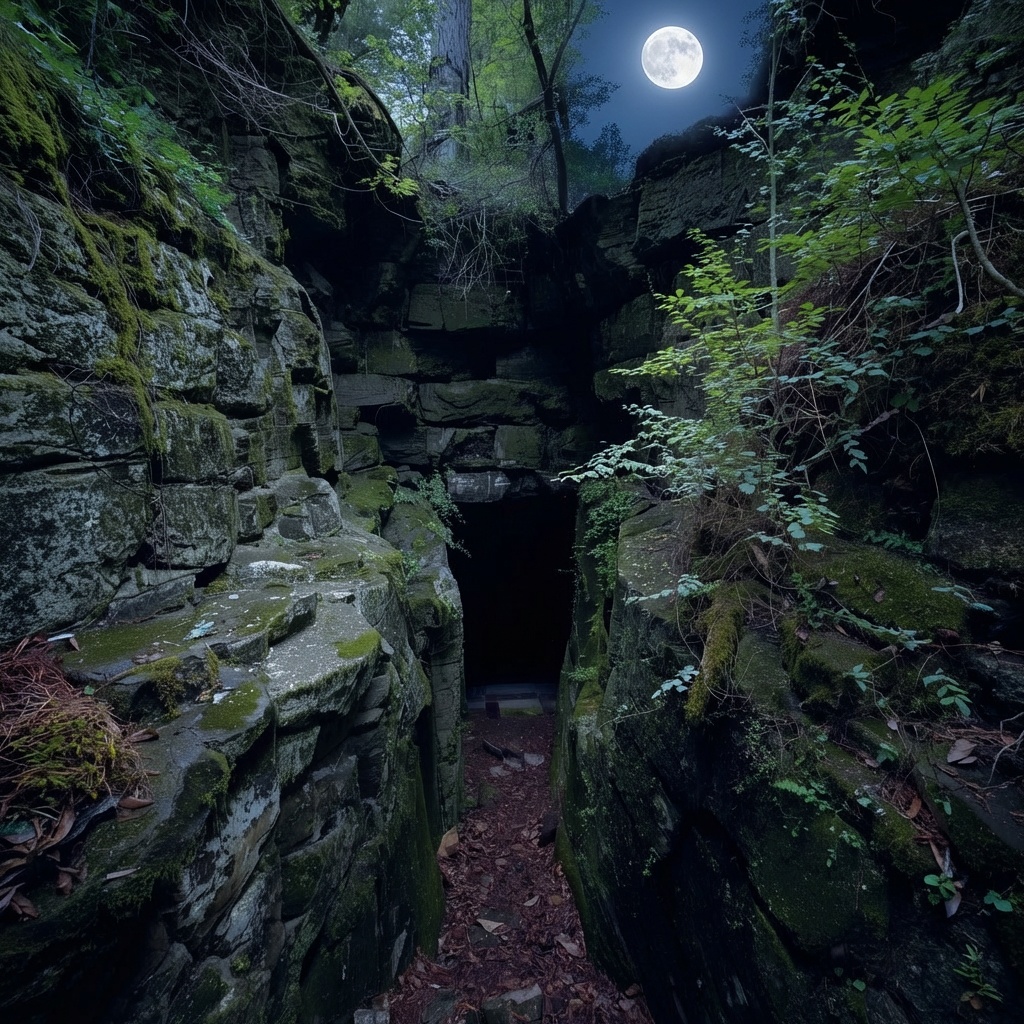
“Lydham,” repeated Charlotte, drawing out the syllables. “That’s up near the old quarry, isn’t it?”
“That’s right. Bloody nightmare to get to in the winter, but nice once you’re there.”
“Do you do much work out that way?” Charlotte’s question was gentle, but Julia could see the glint behind it.
“All the time. The new estate’s gone up like weeds. It’s a shame, really—used to be all fields. But the money’s in development now, I suppose.”
Charlotte let him talk, never once redirecting except to offer agreement or a brief question that kept him moving forward. By the time they’d finished in the boiler room, Mr. Fry had recounted not just his opinion on local real estate, but the specifics of which families were selling, who was moving in, and even the “odd things” he’d seen out near the old quarry. It was, Julia realized, a perfect extraction—gentle, almost invisible, but leaving nothing behind.
When Mr. Fry departed, toolbox in hand, he waved at Julia through the glass, leaving behind only the faint trace of engine oil and the dregs of a teabag in the sink.
Charlotte returned to the sunroom, sitting across from Julia in a rare moment of idleness.
“He knows more about the people around here than the parish newsletter,” Charlotte said, almost admiringly.
“You got a lot out of him,” Julia observed. “He didn’t even notice.”
Charlotte gave a small, pleased smile. “People always want to tell their stories. You just have to create the right gaps.”
Julia considered this, replaying the conversation in her head. There’d been nothing manipulative, nothing overt—just the steady, persistent drift toward Charlotte’s preferred topics. She compared it to her own methods, which tended toward stealth and subterfuge: the careful planting of ideas, the leveraging of secrets, the slow accrual of advantage until the other party simply gave in.
“I usually have to trick people,” Julia said. “Or at least make them think they want something I’m offering.”
“It’s not so different,” her mother replied, folding her hands in her lap. “We’re just working with different raw material. You like systems. I prefer people.”
Julia looked at her, really looked, and saw for the first time the lines around her eyes, the delicate scaffolding of fatigue that supported every gesture. She wondered how much of her mother’s performance was habit, how much was necessity, and how much was a kind of wariness—an inherited suspicion that the world would always try to get the better of them if they weren’t careful.
“I think you’re better at it than me,” Julia said, softly.
Charlotte’s lips curved, equal parts pride and resignation. “I’ve just had longer to practice.”
They sat in companionable silence, the sun climbing slow and deliberate across the patterned glass.
Julia decided, then and there, to study her mother’s technique more closely. There was something elegant about it, something that made her own methods seem crude by comparison. It wasn’t about dominance or even survival; it was about shaping the world to fit your needs without leaving fingerprints.
She wondered how far that could take her.
She intended to find out.