Sarah



By the first week of January, the Christmas chill had been replaced by a syrupy, low light that seeped into the corridors of St Teresa’s and made the girls look jaundiced. Julia arrived back at school with her hair still carrying a faint whiff of woodsmoke, and a secret satisfaction at having outlasted another holiday without drama.
The final two terms unspooled with the mechanical efficiency of a well-oiled clock: revision periods, mock exams, the slow gravitational collapse of friendships into study alliances. Julia’s reputation as “the quietly lethal one” was secure, her grades unimpeachable, her social standing—by design—neither high nor low but untouchable. She moved through the world like a shark: always forward, always watching.
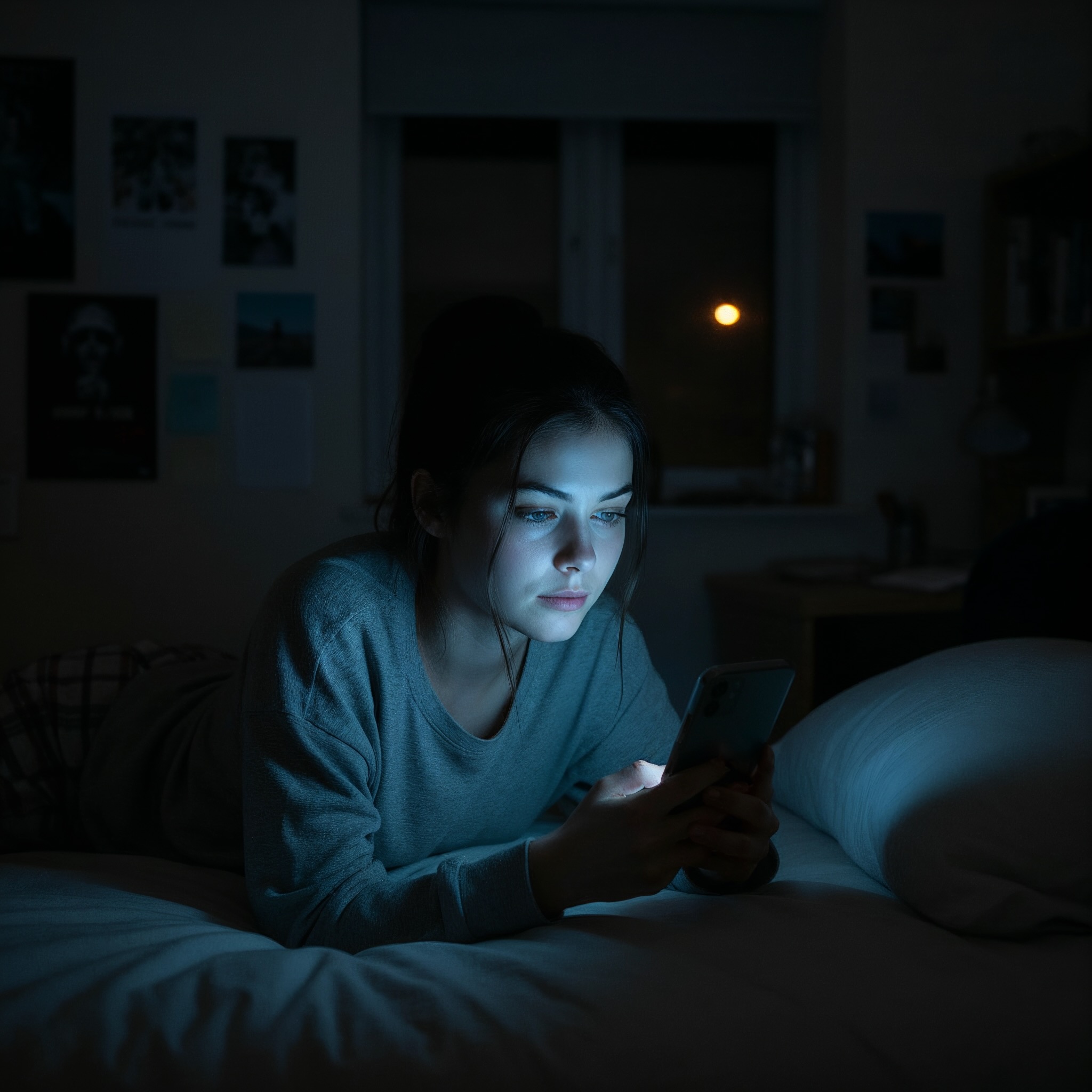
But every night, after prep and shower and lights-out, she’d lie on her bunk with her phone beneath the pillow, waiting for the familiar ping of a message from Sarah.
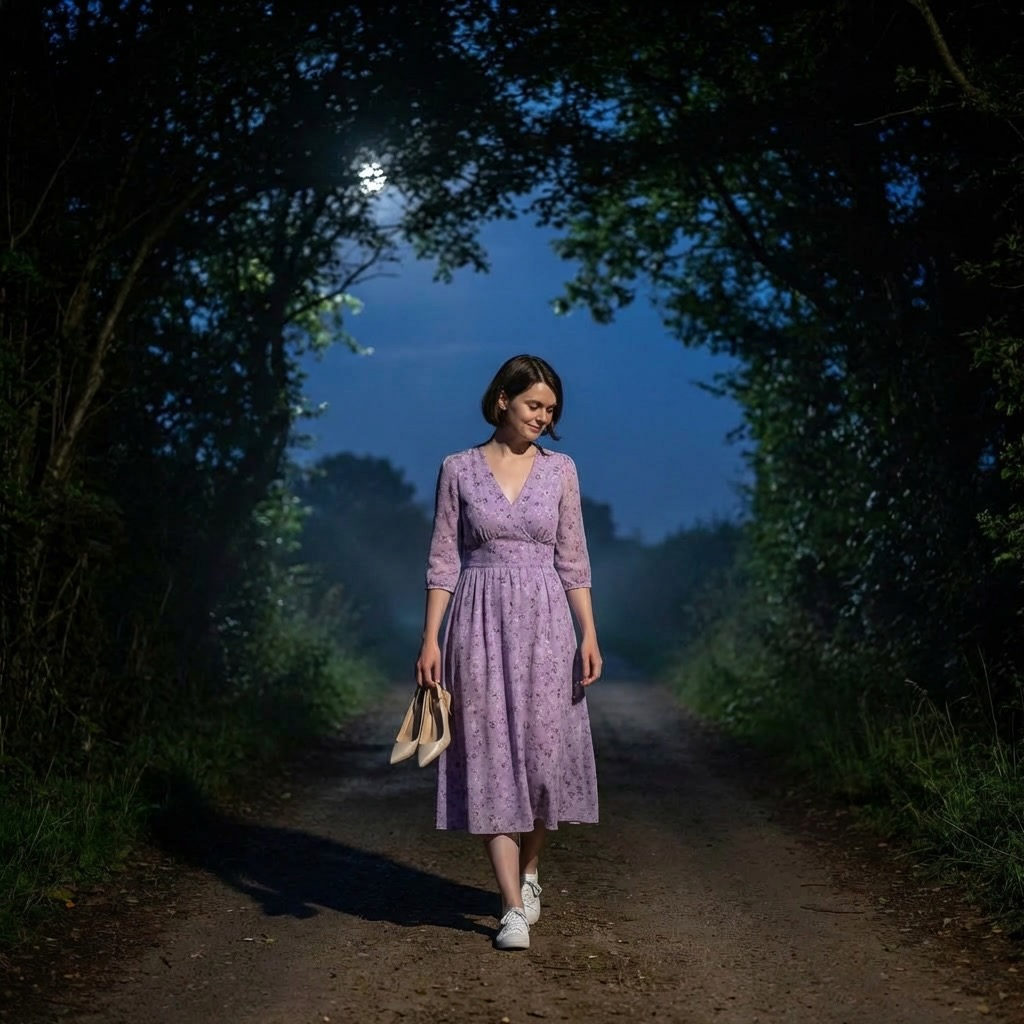
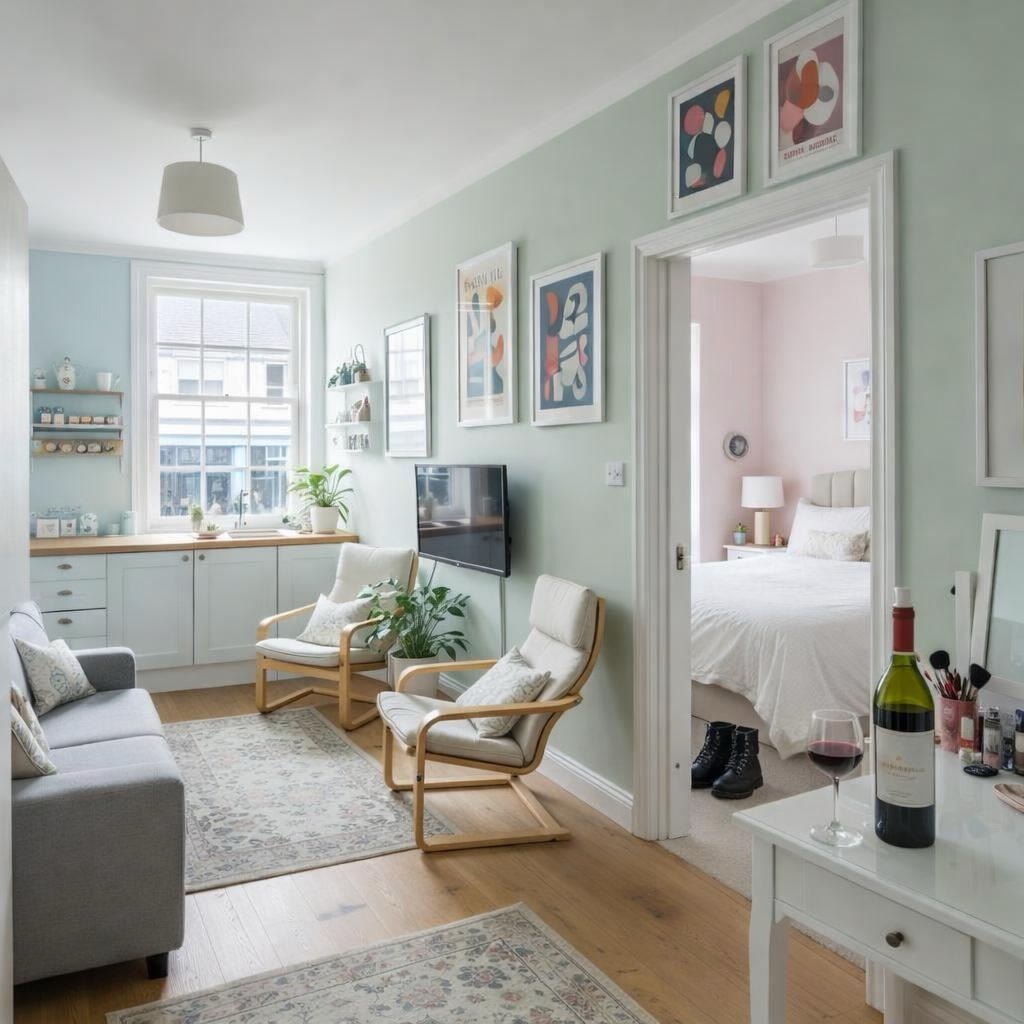
At first the updates came in bursts: blurry selfies from pub toilets, voice notes full of overlapping laughter and scandal, the occasional unsolicited horse video (“He’s eating his own shit, look at this legend”). Sarah’s world was one of chaotic abundance—drinks, men, drama—each episode told with the hyperbolic flair of a street preacher or a first-year drama student. There were affairs with chefs and night-time rides on the Mynd, a saga about a tattooed DJ who crashed a quad bike into a sheep and, unforgettably, a disastrous attempt at “adult speed dating” at the Rose and Crown in Ludlow. Not to mention skinny-dipping in a pool in Snowdonia.
Julia replied with a studied minimalism: “That’s mental,” “Only you,” “Let me know when you’re famous.” She never offered details of her own days, never mentioned the hidden worlds behind her facade, the patterns she saw in other girls’ self-destruction. When Sarah pressed—“You seeing anyone?” “Bet you’re breaking hearts over there”—Julia always demurred, painting her life as an endless loop of homework and library shifts, a monastic existence that was both shield and sieve.
Sometimes, in the hush of the dorm, she’d scroll back through their messages, analyzing Sarah’s syntax for shifts in mood. On nights when the updates went silent, Julia found herself oddly tense, as if she’d misplaced something valuable and couldn’t remember where to start looking.
The girls at St Teresa’s noticed her change, of course. She grew even more withdrawn, her smiles rarer, her habit of disappearing between lessons more pronounced. Only Helena dared comment: “You’re like a nun with a secret, you know that?”
“Maybe I am,” Julia said, not unkindly.
She watched the world move on. Friends fell out, got back together, plotted their universities and gap years. Some girls imploded from the pressure, others frayed slowly at the edges. Julia let it all flow past, her real life reserved for the small rectangle of light that connected her, every night, to Sarah’s.
She knew the time would come when she’d have to choose a story to tell about herself.
But for now, the duality suited her.
Let them think she was invisible.
That was always where the real power lay.