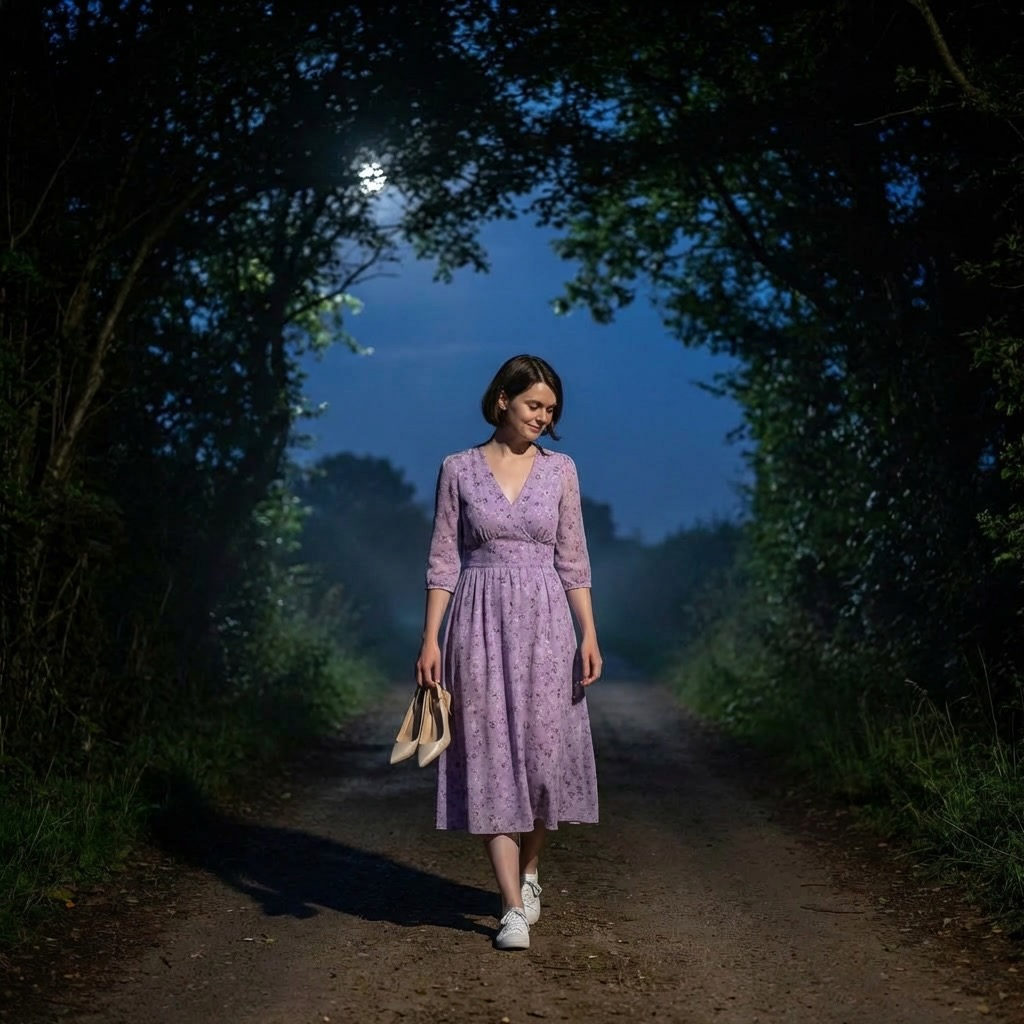
Sarah
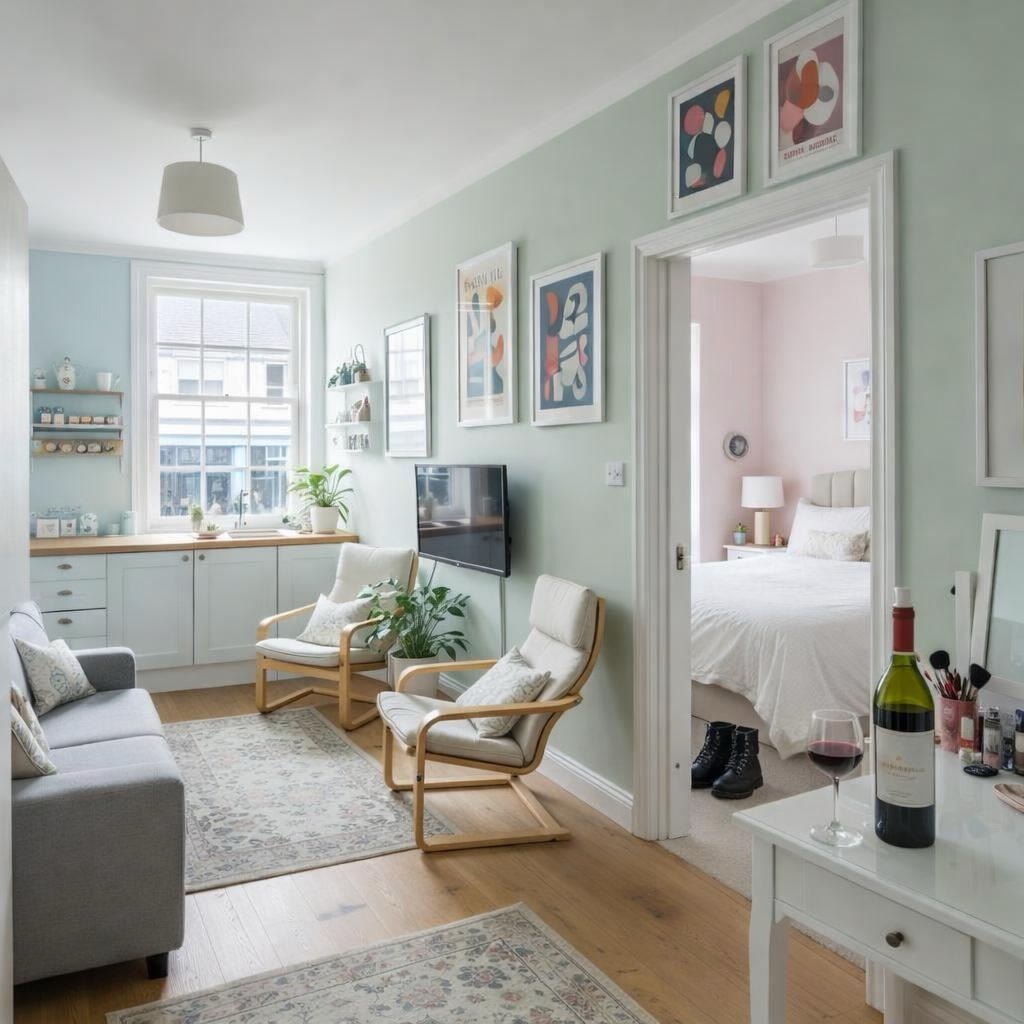

She aced her GCSEs, of course. Not just “did well,” but achieved the kind of sprawl of nines and A*s that made teachers quietly resentful and her mother vaguely embarrassed. The letter from St Teresa’s called her “a credit to the institution,” which was how Julia suspected most people would remember her: not as a person but as an accomplishment.
That summer, with the first term at Ludlow College still months away, she drifted in the borderland between childhood and whatever came next. Hillside Haven felt emptier than ever. Her mother was busy with a new book, her moods swinging between euphoric productivity and days of staring at the wall, unmoving. Eleanor made only brief visits, now, and on those rare afternoons seemed fixated on probing Julia’s future, not her present.
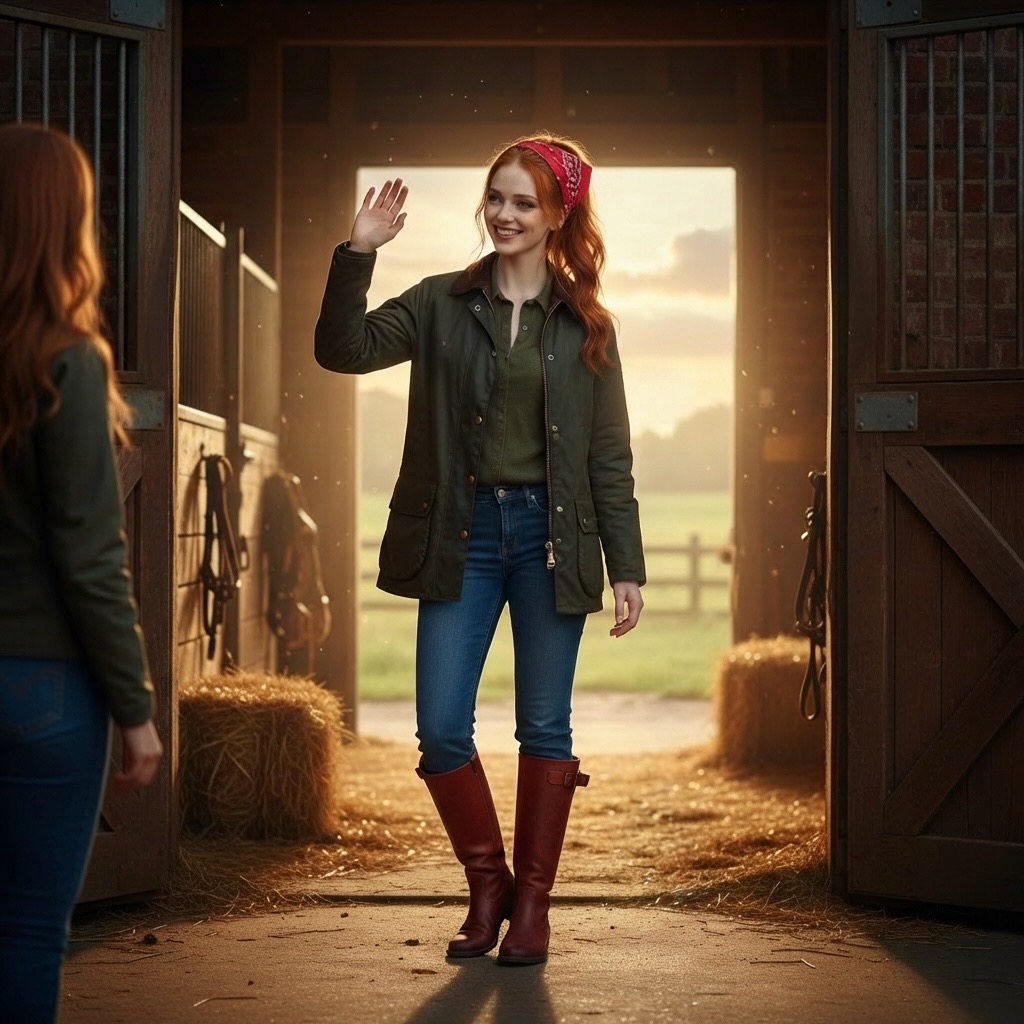
Sarah, by contrast, was at the center of a world in motion. She worked double shifts at the stables, spent her evenings in the pubs, and her nights, increasingly, in the orbit of the county’s better-known wild children. She’d made a name for herself: “Party Saz.” It was a badge she wore with the defiant pride of the truly impervious.
At the end of July, Sarah texted: “You have to come to this, Jules. Seriously. Best night of the year. Don’t bring your mother.”
The house was in the next village, set back behind an avenue of ancient beeches, its stone facade glowing in the sunset like it had its own source of light. The lawn was already a ruin—cars parked at wild angles, shoes lost in the borders, the air above it vibrating with the static of voices and distant, urgent music.
Sarah met her at the gate, hair newly copper and eyes rimmed with kohl. She wore a vintage slip dress, bare-legged, with cowboy boots that made her two inches taller and three times as visible.
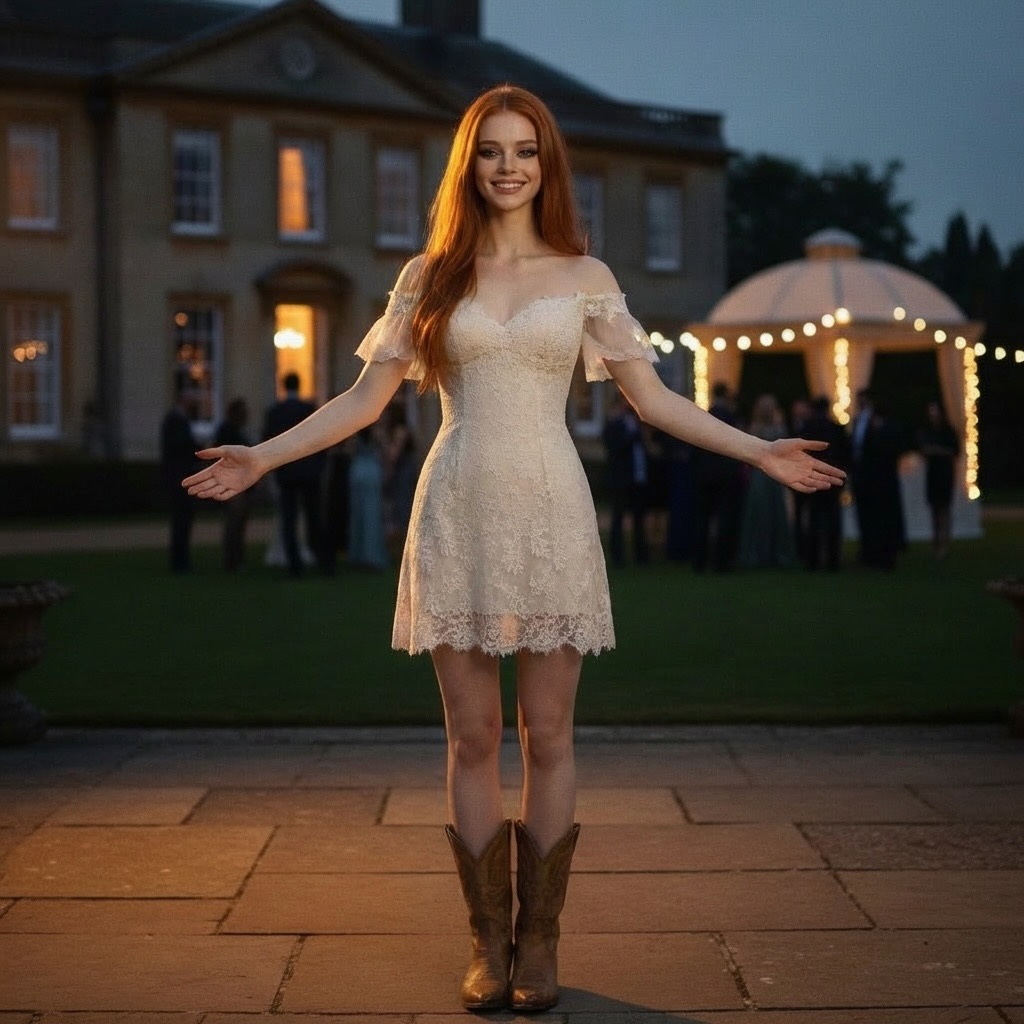
“You look like a cultist,” Julia said, admiring the effect.
Sarah grinned. “You look like a narc. Come on, we’ll fix that.”
In the cloakroom (which was, in fact, the marble-floored entrance hall) Sarah produced a bottle of strawberry gin and forced Julia to drink. It tasted like nail polish remover with a hint of fruit, but Julia drank and coughed and Sarah said, “That’s the spirit.”
The crowd inside was a version of every party Julia had ever observed, but cranked to a higher resolution: people vibrating with the possibility of freedom, the edges of every conversation blurred with laughter or aggression or a shifting, animal sexuality. There were clumps of old St Teresa’s girls, now with new piercings and more practiced sneers. Boys with stubble and designer trainers and the glazed, invincible confidence of the locally rich. Julia recognized faces from school, but the context was so different she felt unmoored.
She stuck close to Sarah, who moved through the party like a comet—picking up drinks, collecting admirers, scattering her light but never quite landing anywhere. She introduced Julia to people, often with an exaggeration: “This is my cousin, she’s scary clever. Can hack your phone just by looking at it.” Or, “Jules can drink anyone under the table.” The legend grew with each retelling.
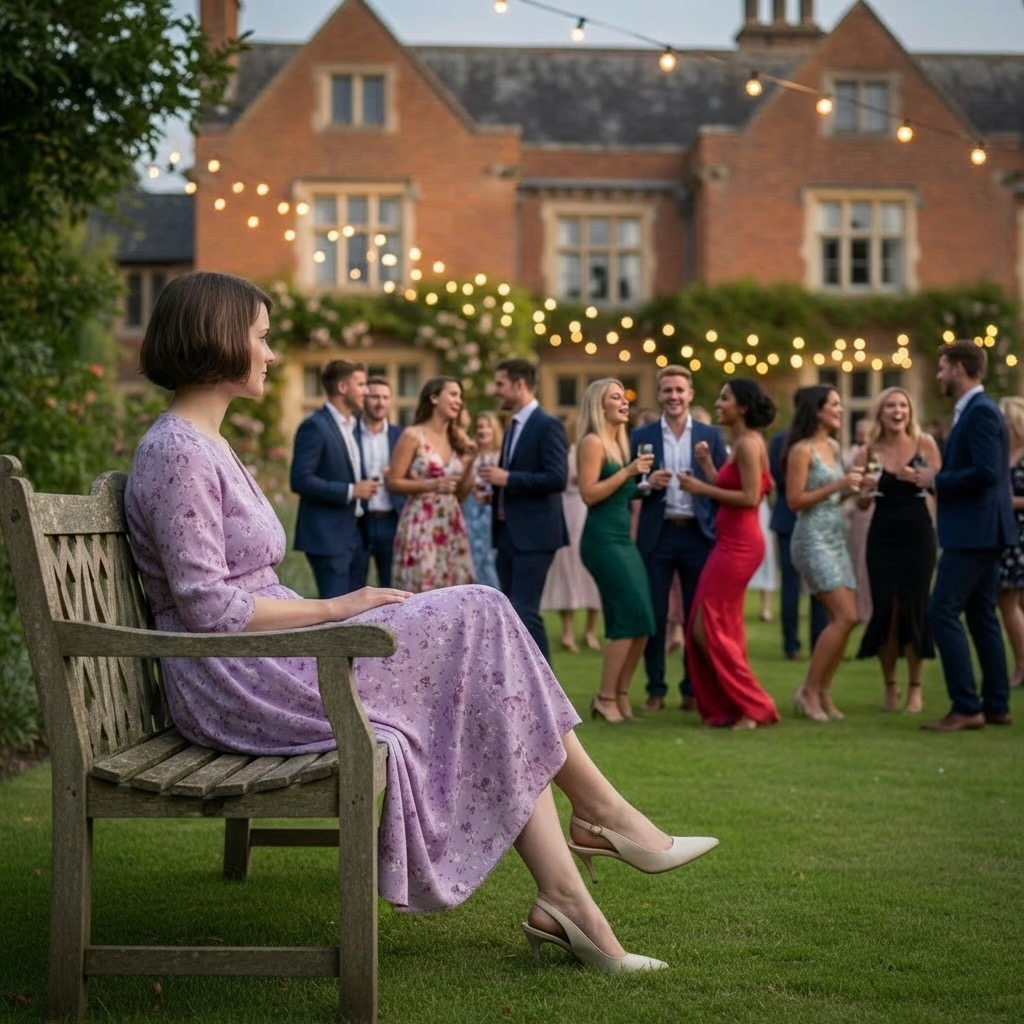
At some point, Julia lost track of Sarah. She found herself on a bench looking over the the back terrace, which had been converted into a kind of open-air lounge: candles everywhere, the reek of weed mingling with smoke from the fire pit, couples pressed together on the stone balustrade. She watched the crowd, cataloguing: who was pairing off, who was being left behind. There were deals being made, alliances formed and broken in the span of a song. Julia moved to an unoccupied bench, nursed her drink, letting the warmth settle, and wondered if this was what adulthood felt like—no rules, only the momentum of desire.
A commotion at the edge of the garden caught her attention. Two men were arguing: one was a bearded giant in a rugby shirt, the other wore a smart dinner suit and the smug smile of someone who’d already won the fight. The crowd parted as the latter man approached, shaking his head and laughing, holding a drink aloft in a parody of a toast.
He was older—mid-thirties, maybe—and exuded a practiced, almost theatrical confidence. Julia recognized him from local gossip: Miller, the construction boss who’d been on the front page of the paper for building a new row of eco-houses in the valley. He was, as Charlotte had once described him, “one of those men who enters a room as if he owns the air in it.”
He spotted Sarah across the lawn and beelined toward her. Julia watched the encounter: Miller leaned in, said something low, and Sarah laughed, not with delight but with the practiced ease of someone who knew how to handle attention. He offered her his drink, which she accepted, and then he placed his hand lightly on her back—territorial, but not yet presumptive.
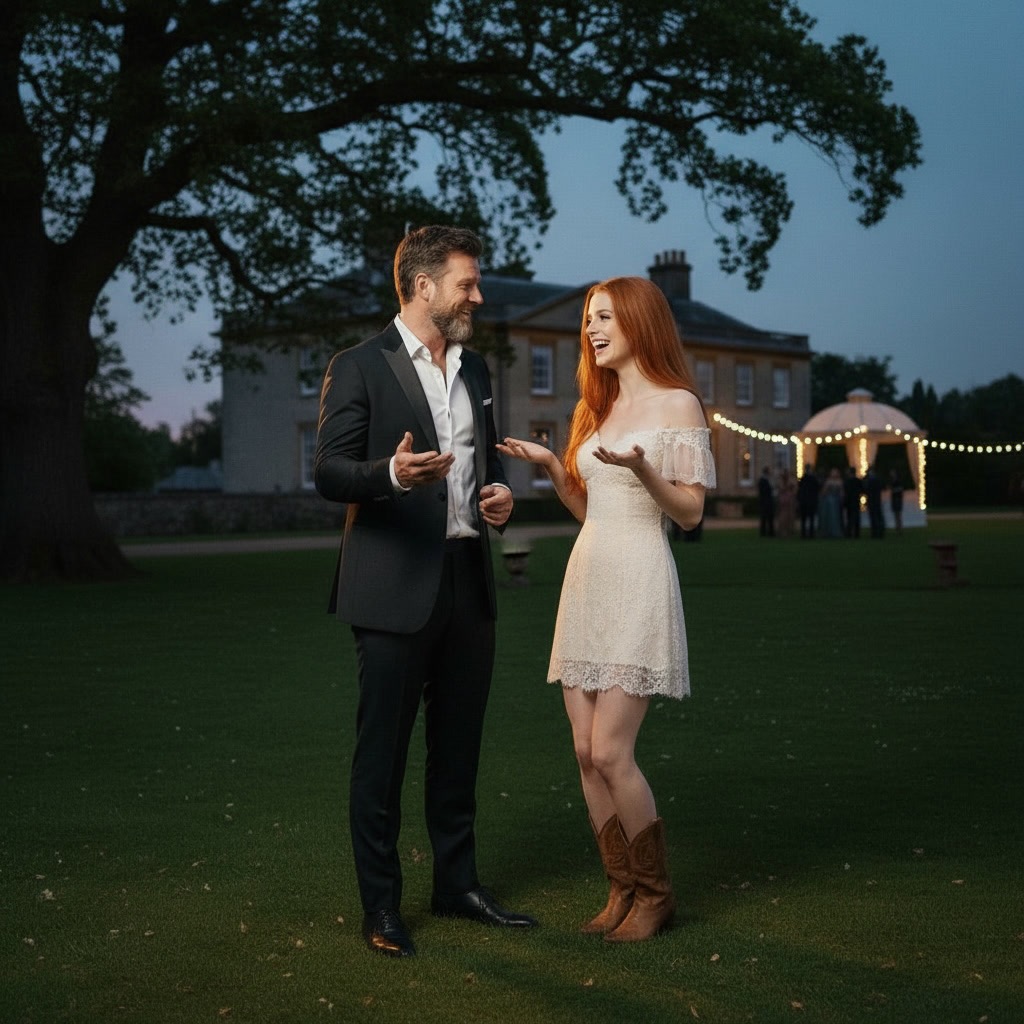
The dynamic was instantly clear: Sarah as the prize, Miller as the hunter. Julia watched the patterns shift around them, the way other women marked the interaction with narrowed eyes, the way men recalibrated their own approach. It was like watching a chess match unfold at triple speed.
A girl in a feathered minidress slid next to Julia, whispering, “He’s fucking relentless, isn’t he?”
Julia smiled. “Does he always get what he wants?”
The girl shrugged. “Most of the time. Don’t think Saz will let him, though. She’s got more sense.”
Julia wasn’t so sure. She watched them as they drew closer and indulged in some selfies

Later, inside, Julia found herself in the library, the only quiet room in the house. She sat on the velvet window seat and let the pulse of the party fade to a distant vibration. She thought about Sarah, and about Miller, and about the world of adult games she was now expected to navigate.
A couple stumbled in, giggling, and then, realizing Julia was there, retreated without a word.
She finished her drink and stood, her head swimming but her perception sharper than ever.
In the hall, she nearly collided with Sarah, who was flushed and a little unsteady.
“Having fun?” Julia asked.
“God, yes,” Sarah said, but her smile didn’t quite stick. “He’s a bit intense, though.”
“You can always leave,” Julia offered.
Sarah shook her head. “He’s giving me a lift home. Anyway, I can handle myself.”
Julia believed her, but still felt the undertow of unease.
They left together, arms linked for support, and waited in the gravel drive as Miller fetched his car. It was a new Range Rover, windows tinted, leather seats still with the dealership sheen. He opened the door for Sarah with a flourish.
“You’re both welcome,” he said, looking Julia up and down with a frankness that was almost a challenge.

“I’ll walk,” Julia said, polite but firm.
Miller shrugged, as if to say, your loss, and the car pulled away in a spray of loose stones.
Julia watched the taillights disappear, then set off down the lane, the night air bracing against her face.
The path home was longer than she remembered. Alone under the cathedral arch of trees, she replayed the night’s events, analyzing every word, every gesture. The world was full of patterns, but some were harder to see until it was too late.
When she reached Hillside Haven, the house was dark except for her mother’s study, where a thin beam of light bled under the door.
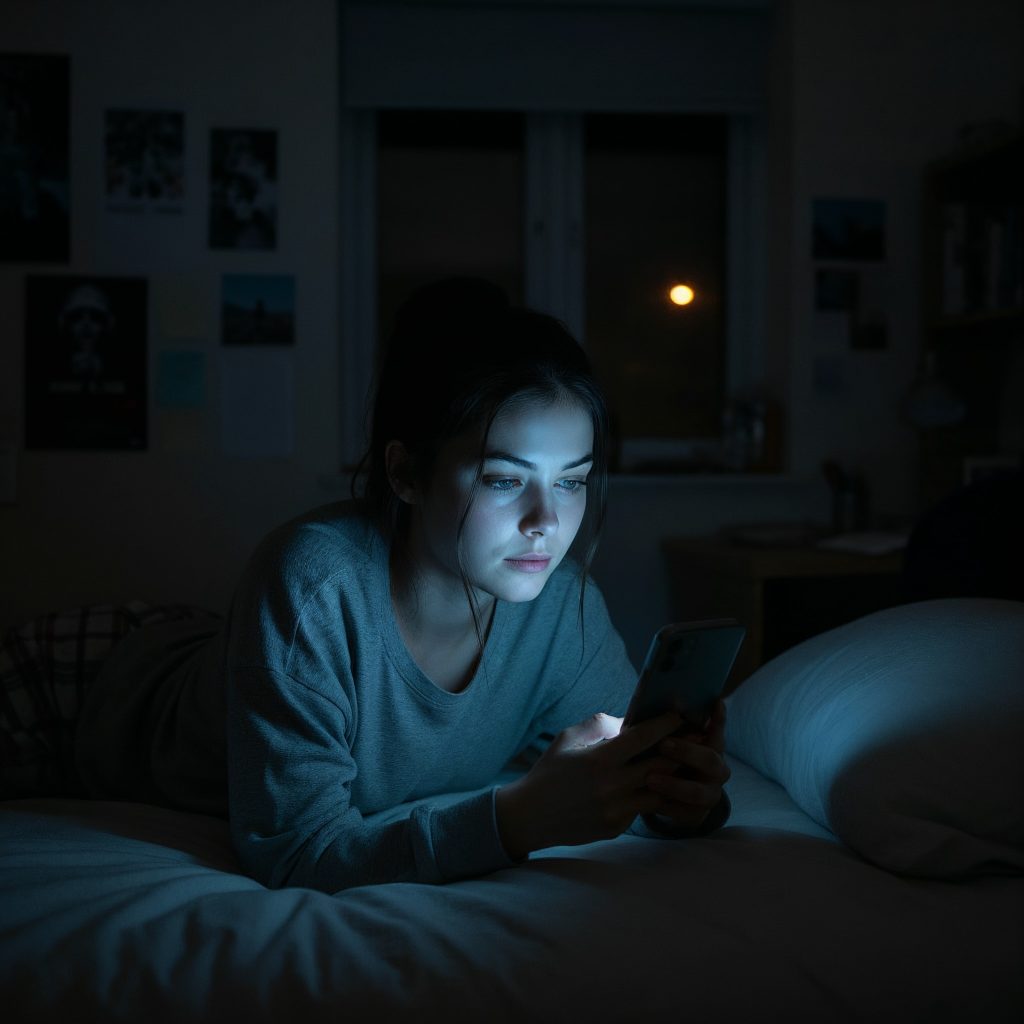
Julia tiptoed past, up to her room, and lay on her bed fully clothed.
She didn’t sleep.
Instead, she mapped out, in perfect detail, the entire evening: the faces, the voices, the way desire and danger could look so alike from a distance.
She made a note to watch Miller. Closely.
Not for herself.
But for Sarah.